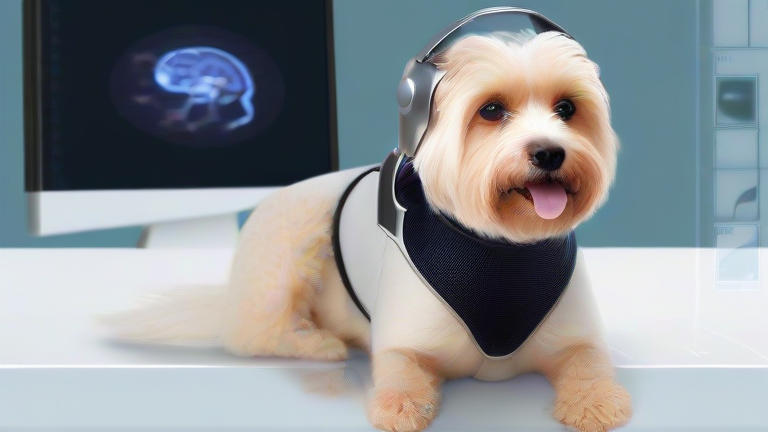
Pet Brain-Computer Interfaces: The Future of Neurotech for Pets
Imagine a world where you don’t need to decipher your dog’s frantic barking or your cat’s subtle tail flicks to understand their needs. This is no longer science fiction; it is the emerging reality of Pet Brain-Computer Interfaces (pBCIs). While human neural interfaces like Neuralink dominate the headlines, the veterinary tech sector is quietly revolutionizing how we connect with our furry companions. This article explores the transformative potential of pBCIs, highlighting their features, comparing them to traditional monitoring methods, and discussing what the future holds for neurotech in pet care.
Understanding the Technology
At its core, a Pet BCI is a non-invasive or minimally invasive device that reads neural signals from a pet’s brain and translates them into digital commands or data points. Unlike traditional pet trackers that monitor location or activity levels, pBCIs focus on cognitive states, emotions, and pain levels. The technology relies on advanced machine learning algorithms to interpret complex neural patterns, allowing owners to receive real-time feedback on their pet’s mental well-being. This shift from behavioral observation to direct neural communication marks a paradigm shift in veterinary medicine and pet ownership.
If you want to dig deeper, check out our guide on Top 10 Tech Trends Shaping 2024: What You Need to Know.
Feature Highlights
Modern pBCI prototypes boast several groundbreaking features. First is Emotion Mapping, which allows owners to see if their pet is anxious, happy, or stressed through a companion app. Second is Pain Detection, crucial for elderly pets or those with chronic conditions who cannot verbally express discomfort. Third is Behavioral Training Assist, where the device provides immediate feedback during training sessions, reinforcing positive behaviors based on neural reward signals. These features not only enhance the bond between owner and pet but also significantly improve veterinary diagnostics and treatment plans.

Comparison with Traditional Methods
When compared to traditional pet monitoring tools, pBCIs offer a depth of insight that GPS trackers and basic activity monitors simply cannot match. A Fitbit for dogs might tell you that your pet ran five miles, but it cannot
Leave a Reply