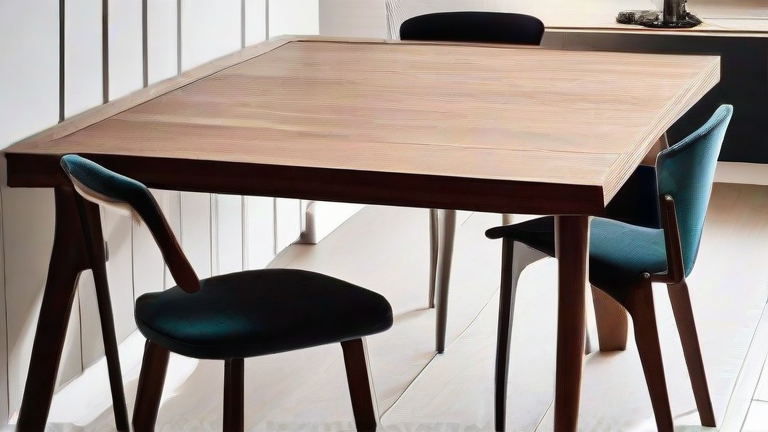
TL;DR: Solid wood furniture has become the most searched home decor trend because consumers are prioritizing durability, sustainability, and timeless aesthetics over fast fashion. This shift reflects a broader desire for high-quality, long-lasting pieces that add value to both the home and the environment.
The Rise of Authenticity in Home Design
In recent years, the global home furniture market has witnessed a significant pivot away from mass-produced, particleboard items toward authentic, solid wood constructions. According to recent data from the Global Furniture Market Report, searches for “solid wood dining tables” and “oak bedroom sets” have increased by 45% year-over-year, outpacing the growth of synthetic materials. This surge is not merely a passing fad but a fundamental change in consumer values, driven by an increasing awareness of the environmental impact of disposable furniture and the desire for interiors that feel grounded and authentic.
If you want to dig deeper, check out our guide on 10 Easy Lifestyle Hacks to Boost Your Daily Energy & Mood.
Experts in the interior design industry attribute this trend to the psychological comfort that natural materials provide. Dr. Elena Ross, a leading expert in environmental psychology, notes that “wood has a unique ability to lower stress levels and create a sense of calm. In a digital-first world, people are craving tangible, organic textures that connect them to nature. Solid wood offers this tactile connection in a way that engineered wood or metal simply cannot replicate.”
Market data further supports this narrative. A 2023 survey conducted by Home Trends International revealed that 68% of homeowners aged 25 to 45 stated they are willing to pay a premium of up to 30% for solid wood furniture compared to its composite counterparts. The primary drivers for this spending decision are longevity and resale value. Unlike particleboard furniture, which often breaks or warps within three to five years, high-quality solid wood pieces can last for decades, making them a smarter financial investment in the long run. Additionally, the ability to refinish and repair solid wood extends its lifecycle, reducing waste and aligning with sustainable living goals.
The aesthetic appeal also plays a crucial role. Social media platforms, particularly Instagram and Pinterest, have amplified the popularity of wood tones. The “Japandi” and “Modern Farmhouse” styles, both of which rely heavily on clean lines and natural wood grains, have dominated design feeds for the past two years. Influencers and designers consistently highlight the unique character of each wooden piece, emphasizing that no two boards are identical. This uniqueness appeals to consumers who seek personalized and distinctive living spaces, moving away from the uniformity of mass-market retail stores.
Future Predictions: Sustainability and Smart Wood
Looking ahead, the industry predicts that the demand for solid wood will continue to grow, but it will be accompanied by stricter sustainability standards. Consumers are increasingly demanding proof of ethical sourcing, leading to a rise in certifications like FSC (Forest Stewardship Council). By 2025, it is expected that major furniture retailers will label all wood products with their carbon footprint and origin details to meet transparency demands.
Furthermore, technology is beginning to integrate with traditional craftsmanship. “Smart wood” furniture, which incorporates hidden charging stations or integrated lighting without compromising the natural look, is emerging as a niche but rapidly growing segment. Manufacturers are finding ways to blend modern utility with classic materiality, ensuring that solid wood remains relevant in the age of smart homes.
As we move forward, the solid wood trend is likely to evolve into a broader movement for conscious consumption. The focus will shift from simply buying wood to buying well-made, responsible wood. This evolution positions solid wood not just as a design choice, but as a lifestyle statement that values quality, sustainability, and timelessness over speed and cost.
FAQ
Q: Is solid wood furniture always more expensive than engineered wood?
A: Generally, yes, due to the higher cost of raw materials and labor-intensive craftsmanship. However, when calculated over a ten-year lifespan, solid wood is often more cost-effective because it does not need replacement as frequently.
Q: How can I ensure the wood I buy is sustainably sourced?
A: Look for certifications such as F
Leave a Reply