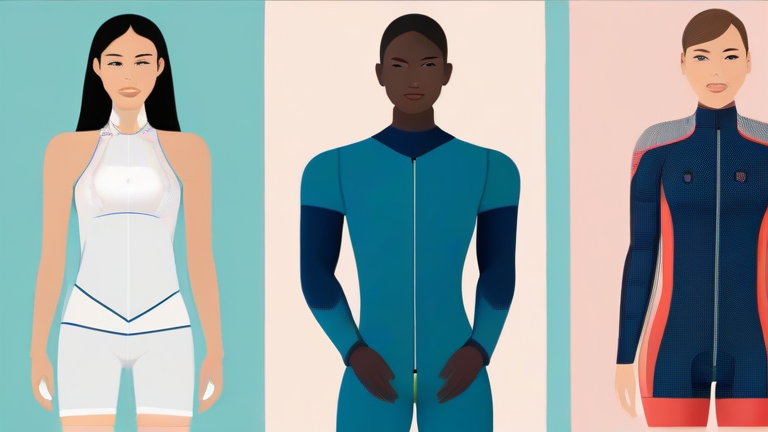
TL;DR: Smart fabrics use embedded conductive yarns and micro-sensors to track heart rate, respiration, and skin temperature, while phase-change materials (PCMs) absorb or release heat to keep you comfortable. You can integrate them into your wardrobe by choosing ready-made garments or DIY kits, then pairing them with a smartphone app for real-time alerts.
Step 1: Choose Your Smart Fabric Type
Decide between biometric-monitoring fabrics (with ECG/EMG electrodes woven into the textile) and thermoregulating fabrics (using PCMs like paraffin wax microcapsules). For dual function, look for hybrid fabrics—e.g., Hexoskin or Sensoria—that combine both. If you’re a DIY enthusiast, buy conductive silver-nylon thread and a wearable sensor module (like a BLE-enabled heart-rate chip).
If you want to dig deeper, check out our guide on 10 Simple Lifestyle Hacks for a Healthier, Happier You.
Step 2: Integrate the Sensors Correctly
For monitoring vitals, place the conductive patches directly against your skin—usually at the chest (for heart rate) and lower ribs (for respiration). Sew or iron the sensors into a snug-fitting base layer, not loose clothing, to avoid motion artifacts. Ensure the yarns are insulated from sweat using a thin silicone coating, and connect them to a small Bluetooth transmitter (battery included) that clips to your waistband.
Step 3: Calibrate the Thermoregulation Layer
If using PCM fabrics, pre-activate them by soaking in warm water (for cooling) or cool water (for heating) for 10 minutes, then drying. For active regulation, pair with a micro-fan or Peltier element that responds to skin temperature sensors—set thresholds in the companion app (e.g., cool when skin hits 37°C). Test in a controlled room to ensure the fabric doesn’t overcorrect.
Step 4: Sync and Interpret Data
Download the manufacturer’s app (e.g., Hexoskin, Oura, or custom BLE terminal). Pair your garment via Bluetooth, then perform a 5-minute baseline test (sitting, then walking) to calibrate heart-rate zones. Set alerts for abnormal vitals (e.g., HR >120 bpm at rest). For temperature, use the app’s heatmap to see if the PCM layer is evenly distributed—adjust by repositioning the fabric.
Step 5: Launder and Maintain
Hand-wash in cold water with mild detergent—never bleach or fabric softener, as they degrade conductive traces. Air-dry flat, and avoid ironing over sensor nodes. Recharge the battery module weekly. For PCM fabrics, re-seal microcapsules every 20 washes by spraying with a textile-grade water repellent.
Pro Tips
Buy fabrics with washable, detachable electronics to extend lifespan. Always test for skin allergies (nickel-free connectors). For athletes, use compression-fit smart shirts to reduce signal noise. For sleep, use a smart pillowcase with a forehead temperature sensor.
FAQ
Q: Can I wash smart fabrics with regular clothes?
A: No—isolate them in a mesh bag, use cold water, and skip the dryer. Heat and friction break the conductive yarns, so hand-wash or use a delicate cycle.
Q: Do these fabrics work for people with irregular heart rhythms?
A: Yes, but with caution—optical sensors (PPG) can miss arrhythmias; use ECG-based fabrics (with wet or dry electrodes) for accuracy, and always consult a doctor before relying on them for medical decisions.
Q: How long does the battery last, and can I replace it?
A: Most modules last 24–48 hours on a full charge (depending on data streaming rate). They are typically rechargeable via USB-C, but non-replaceable. For continuous wear, buy two batteries or use a low-power mode that logs data locally every 5
Leave a Reply