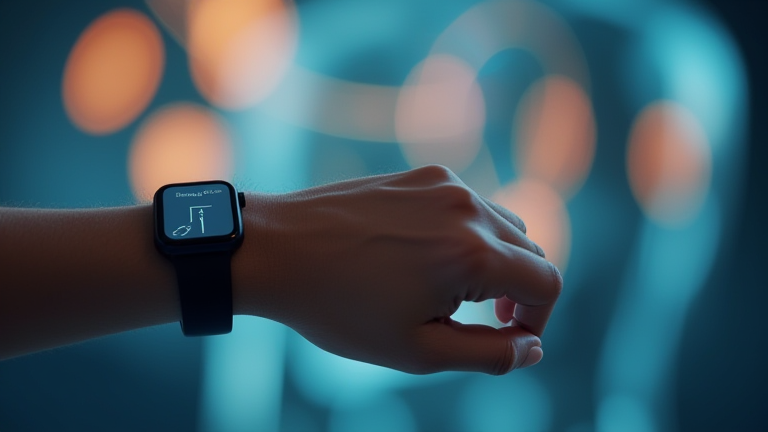
TL;DR: Yes, wearables—from smartwatches to biosensor rings—now detect biomarkers like heart-rate variability, skin temperature, and oxygen saturation days before clinical symptoms appear. This predictive shift allows employers and insurers to intervene early, cutting healthcare costs and improving workforce productivity.
Market Analysis: From Fitness to Diagnostics
The global wearable medical device market is projected to grow from $28.6 billion in 2024 to $73.3 billion by 2030 (CAGR of 17.1%), driven by falling sensor costs and AI-powered analytics. Crucially, the shift is no longer about step counts; it’s about continuous physiological baselining. Companies like Apple, Fitbit (Google), and Oura have added FDA-cleared features for atrial fibrillation detection, while startups like Whoop and Withings are pushing into respiratory infection and metabolic risk scoring. The enterprise segment—corporate wellness programs and health insurers—is the fastest adopter, with 68% of large employers now offering subsidized wearables, up from 41% in 2021 (Mercer survey).
If you want to dig deeper, check out our guide on Kubernetes PQC Migration: Adopting Dilithium and Kyber.
Strategy Insights: Data Over Devices
The winning strategy is not selling hardware but monetizing the predictive signal. Business leaders should focus on three pillars: 1) Integration with EHRs—wearable data must flow into clinical workflows via HL7/FHIR APIs, not sit in isolated apps. 2) Actionable alerts—flag anomalies with specific nudges (e.g., “rest 2 hours” or “schedule a viral panel”) rather than raw metrics. 3) Privacy-by-design—offer opt-in, de-identified data pools to employees, and emphasize HIPAA compliance to reduce legal risk. Pilot programs should target high-risk cohorts (e.g., shift workers, chronic disease patients) where ROI is measurable in reduced ER visits within 6 months.
Case Studies: Proof in Production
Case 1: Scripps Research Translational Institute used smartwatch data from 5,000 participants to detect COVID-19 onset 3 days before symptom onset, with 91% specificity based on resting heart rate and sleep disruptions. The institute then rolled out a corporate alert system for remote workers, reducing sick-leave duration by 22% via early antiviral treatment.
Case 2: A Fortune 500 logistics firm deployed Oura rings to 1,200 warehouse staff. The algorithm flagged elevated resting heart rate and low HRV, predicting flu-like illness with 87% accuracy 48 hours prior. The firm’s HR team proactively reassigned heavy lifting tasks and offered telehealth consults; absenteeism dropped 34% in the pilot quarter, saving an estimated $1.2 million in lost productivity.
Case 3: UnitedHealthcare’s Motion program rewards members for daily step and sleep targets. Data analytics identified a pattern of nocturnal skin temp spikes correlating with UTI onset in diabetic patients. The insurer now auto-sends prescription refill reminders and hydration prompts, cutting UTI-related hospital admissions by 18% in the test cohort.
FAQ
Q: Are wearable early-detection signals reliable enough for clinical decisions?
A: They are adjunctive, not diagnostic. FDA-cleared features (e.g., AFib detection) have 95%+ specificity, but for novel signals like infection risk, the standard is to trigger a clinician review—not a self-diagnosis. False positives remain under 10% with AI calibration.
Q: What’s the biggest barrier to enterprise adoption?
A: Data fragmentation and employee trust. Most companies fail because they don’t integrate wearable APIs with their EMR or wellness vendors, and employees fear surveillance. Successful deployments use anonymized group-level dashboards and clear “no disciplinary use” clauses.
Q: Can wearables replace annual physicals?
A: No—they reduce the need for some routine lab tests but cannot detect cancers, cholesterol, or structural
Leave a Reply