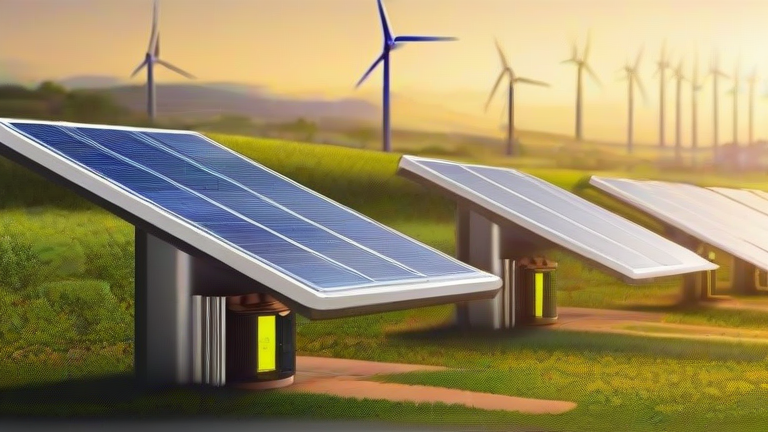
TL;DR: AI smart meters enable decentralized energy grids by facilitating real-time data exchange and dynamic load balancing among distributed resources. This technology enhances grid resilience, reduces carbon footprints, and empowers consumers to actively manage their energy consumption and costs.
The Shift to Decentralization
For decades, the energy landscape has been dominated by centralized power plants pushing electricity through long transmission lines. However, the rapid adoption of renewable energy sources, such as rooftop solar panels and wind turbines, has created a need for a more flexible and responsive infrastructure. AI-driven smart meters are the critical link in this transition, transforming passive consumers into active “prosumers” who both consume and produce energy. These advanced devices do more than just measure usage; they analyze patterns, predict demand, and communicate with local microgrids to optimize energy flow. This decentralized approach mitigates the bottlenecks associated with traditional grids, ensuring that energy is generated and consumed closer to where it is needed, thereby reducing transmission losses and enhancing overall system efficiency.
If you want to dig deeper, check out our guide on Quantum-Safe Crypto: The New Default for Cloud Data Storage.
Health and Wellness Implications
While the primary focus of smart grids is energy management, the benefits extend significantly into personal health and wellness. First, the reduction in reliance on fossil fuels directly improves air quality. Studies consistently show that lower levels of particulate matter and nitrogen dioxide in urban environments correlate with reduced rates of respiratory diseases, cardiovascular issues, and asthma attacks. By facilitating a cleaner energy mix, decentralized grids contribute to a healthier living environment for everyone.
Lifestyle Tips for the Smart Grid Era
To maximize the benefits of this technological shift, individuals can adopt several lifestyle adjustments. First, engage in “smart” consumption. Use the data provided by your smart meter to schedule high-energy activities, such as running laundry or charging electric vehicles, during off-peak hours when renewable energy generation is high. This not only lowers your bill but also reduces strain on the grid.
Second, invest in home energy storage. Pairing your smart meter with a home battery system allows you to store excess solar energy generated during the day for use at night. This enhances energy security and provides backup power during outages, which is crucial for maintaining medical devices or climate control in vulnerable populations.
Third, prioritize home efficiency. Smart meters provide detailed insights into which appliances consume the most energy. Use this data to identify and replace inefficient devices. A well-insulated and efficient home requires less energy, leading to lower costs and a smaller carbon footprint. Furthermore, the mental health benefits of financial savings and reduced environmental anxiety should not be overlooked. Knowing that your home is part of a sustainable, resilient energy network can provide a sense of control and peace of mind. By embracing these changes, you contribute to a cleaner planet and a healthier, more sustainable future for yourself and your community.
FAQ
Q: Are smart meters safe regarding electromagnetic fields?
A: Yes, the electromagnetic fields emitted by smart meters are extremely low, well below safety limits set by international health organizations, and pose no known risk to human health.
Q: How do decentralized grids improve energy reliability?
A: By distributing generation and consumption, decentralized grids reduce the impact of single points of failure, allowing local microgrids to maintain power even if the main grid experiences outages.
Q: Can I benefit from this technology without solar panels?
A: Absolutely, smart meters help you track and optimize consumption patterns, reduce costs through off-peak usage, and improve home energy efficiency regardless of your energy source.
Leave a Reply