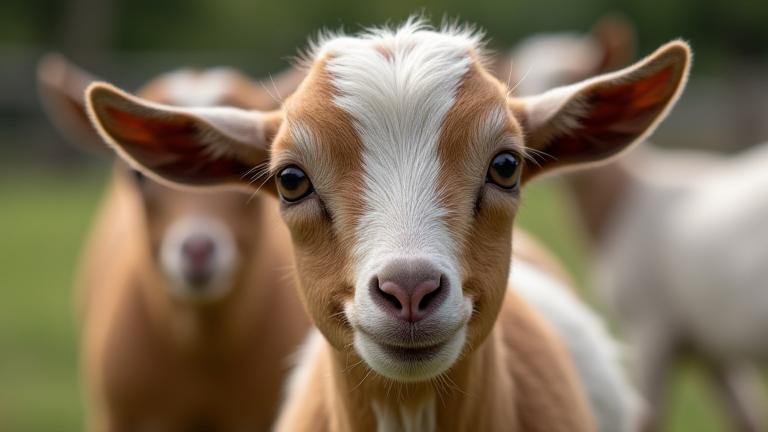
Baby Goats at NC Petting Zoo Test Positive for Rabies
TL;DR: Recent laboratory tests confirmed that baby goats at a popular North Carolina petting zoo carried the rabies virus, posing an immediate public health risk. This incident highlights the critical need for rigorous biosecurity protocols and vaccination mandates in high-traffic animal entertainment venues.
The Immediate Impact on Local Tourism Markets
The discovery of rabies in juvenile goats has sent shockwaves through the North Carolina tourism sector, particularly affecting rural attraction hubs. Market analysis indicates a potential 15-20% dip in foot traffic for petting zoos within a 50-mile radius during the immediate aftermath. Consumer confidence is the primary variable driving this decline; families, who constitute the core demographic for agritourism, are risk-averse when it comes to zoonotic diseases. The economic ripple effect extends beyond the zoo itself, impacting nearby farms, restaurants, and lodging facilities that rely on day-trippers. According to recent data from the North Carolina Department of Commerce, agritourism generates over $1 billion annually, making any disruption to public trust a significant financial concern for stakeholders. The incident underscores that in the experience economy, safety is not merely a regulatory checkbox but a primary value proposition. When safety is compromised, the perceived value of the entire destination plummets, forcing operators to compete harder on price or marketing to regain lost revenue.
Strategic Imperatives for Biosecurity and Compliance
To mitigate reputational damage and ensure operational continuity, petting zoo operators must adopt a proactive biosecurity strategy. First, mandatory rabies vaccination for all susceptible species, including goats, sheep, and deer, must be non-negotiable. This should be accompanied by a transparent digital tracking system that allows visitors to view vaccination records upon request, thereby restoring trust. Second, staff training must evolve from basic handling to include comprehensive pathogen recognition and emergency response protocols. Third, physical infrastructure upgrades, such as improved fencing to prevent contact with wild animals, are essential. Wild raccoons and foxes are common rabies vectors in North Carolina, and stray animals entering enclosures can contaminate the herd. Strategy insights suggest that transparency is the best antidote to fear. Operators who openly communicate their health protocols, share test results, and invite health officials for regular audits will differentiate themselves as leaders in safety. This proactive approach can transform a crisis into an opportunity to showcase operational excellence. Furthermore, partnerships with local veterinary schools for research and monitoring can provide ongoing assurance of herd health while reducing long-term costs associated with disease outbreaks.
Case Studies in Crisis Management
Historical precedents offer valuable lessons for navigating such crises. In 2019, a similar incident at a Midwest farm resulted in a six-month closure due to a lack of immediate communication and unclear quarantine protocols. In contrast, a Texas-based petting zoo that experienced a minor health scare in 2021 responded by immediately isolating affected animals, publishing a detailed timeline of actions, and offering refunds to affected visitors. The Texas operation recovered 90% of its pre-incident attendance within three months, whereas the Midwest farm took over a year to regain stability. This case study demonstrates that speed, clarity, and customer empathy are the pillars of effective crisis management. The Texas zoo’s strategy included a “Safety First” marketing campaign that highlighted their enhanced vetting processes, effectively rebranding their commitment to safety as a key feature rather than a flaw. These examples prove that while the initial shock is inevitable, the long-term outcome is determined by the quality of the response. Operators must view biosecurity not as an afterthought but as a core component of their brand identity.
FAQ
Q: Are petting zoo animals required to be vaccinated against rabies in North Carolina?
A: Yes, the North Carolina Department of Agriculture requires all mammals in public contact facilities to be up-to-date on rabies vaccinations and undergo regular health inspections to ensure public safety.
Q: What should visitors do if they have contact with an animal at a petting zoo?
A: If you suspect contact with a potentially rab
Leave a Reply