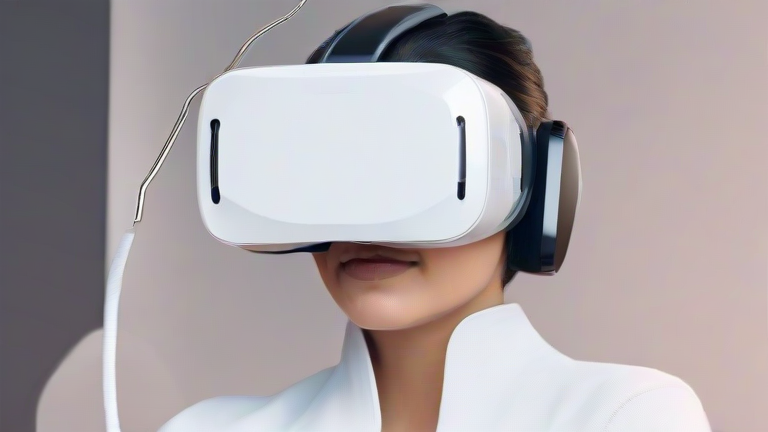
VR Therapy in Mental Health Apps: The Future of Care
Imagine standing on the edge of a serene, virtual cliff in Kyoto, the cherry blossoms falling gently around you as a calm, AI-driven therapist guides you through deep breathing exercises. This is not a scene from a futuristic sci-fi novel, but a reality emerging in the latest wave of mental health applications. Virtual Reality (VR) therapy is rapidly transitioning from a niche experimental tool to a mainstream component of personal growth and digital wellness. By merging immersive technology with cognitive behavioral techniques, these apps are revolutionizing how we approach anxiety, PTSD, and stress management, offering a unique blend of technology and tranquility that appeals to the modern seeker of inner peace.
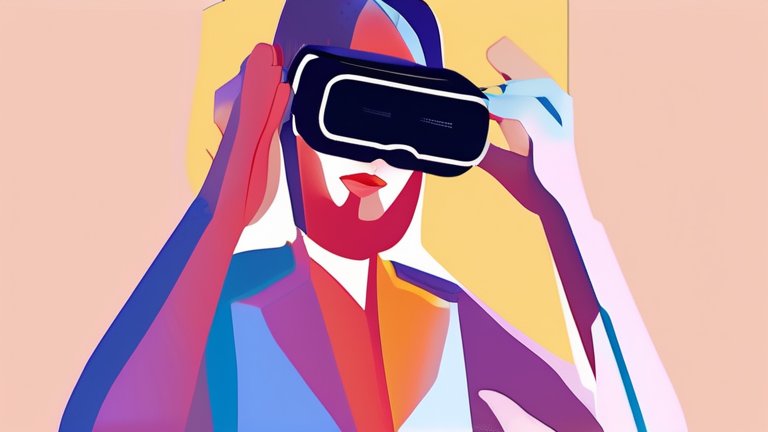
The appeal of VR therapy lies in its ability to create controlled, safe environments where users can confront fears or practice mindfulness without real-world consequences. Unlike traditional talk therapy, which relies heavily on imagination and verbal description, VR provides sensory immersion. For individuals with travel restrictions or social anxiety, these digital landscapes offer a profound sense of escape and liberation. You can traverse the streets of Paris, meditate in a Tibetan monastery, or walk through a forest during a thunderstorm, all from the comfort of your living room. This accessibility democratizes mental healthcare, making therapeutic experiences available to those who might otherwise lack resources or mobility.
If you want to dig deeper, check out our guide on VR Therapy in Mental Wellness Apps: The Future of Care.
Furthermore, the integration of VR into daily life fosters a holistic approach to personal growth. It is no longer just about treating illness; it is about cultivating resilience and emotional intelligence. Users report higher engagement levels with VR-based sessions compared to standard screen-based interventions, largely because the immersive nature of the experience demands full presence. This heightened focus allows for deeper emotional processing and faster skill acquisition in coping mechanisms. As these apps continue to evolve, incorporating haptic feedback and adaptive AI, the line between gaming and therapy blurs, creating a more engaging and effective tool for mental well-being.
However, it is crucial to approach this technology with mindful intention. VR is a tool, not a replacement for human connection or professional medical advice. The
Leave a Reply