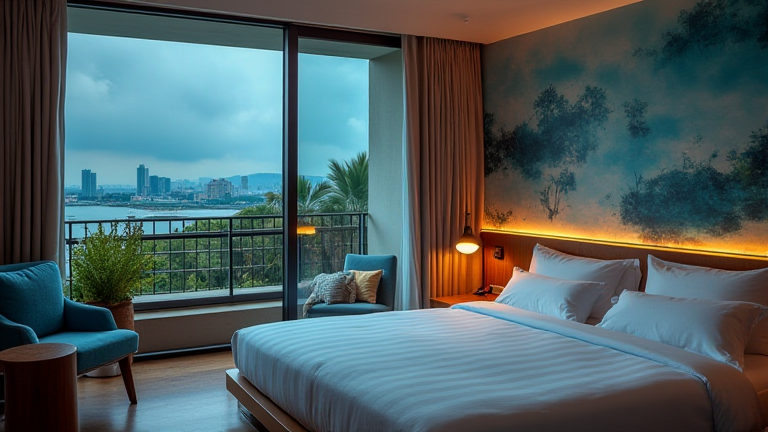
TL;DR: Sleep tourism is a fast-growing travel category where hotels design entire stays around improving guests’ rest, from blackout suites to sleep concierges. It answers the title question by reframing sleep not as a travel side effect but as the luxury experience itself.
For decades, luxury travel meant more: more activities, more dining, more destinations crammed into fewer days. Sleep tourism flips that equation. Instead of treating rest as the thing you recover from after a trip, properties now sell sleep as the headline amenity — and travelers are paying premium rates for the privilege of doing less, better.
If you want to dig deeper, check out our guide on Monetizing Runway Gen-3 Video: Top Revenue Streams.
Feature Highlights
Today’s sleep-focused stays go far beyond a decent mattress. Signature features include circadian lighting that shifts color temperature through the evening, acoustic insulation rated to silence city noise, temperature-controlled bedding systems, and blackout curtains engineered to block 99% of light. Many programs add weighted blankets, white-noise machines, and pillow menus with firmness and fill options.
The human element matters just as much. Sleep concierges conduct pre-arrival consultations, in-room meditation and breathwork sessions are increasingly standard, and some resorts pair guests with on-site sleep coaches or offer overnight sleep-tracking with a follow-up consultation. Evening turndown rituals often replace the traditional chocolate with herbal tisanes and guided wind-down audio.
How It Compares
Against a standard five-star booking, a sleep-tourism package typically costs 15–40% more per night. The trade-off is measurable: dedicated quiet zones, no hallway ice machines, and staff trained to protect guest rest rather than interrupt it. Compared with a wellness retreat, sleep tourism is shorter, cheaper, and less structured — you are not committing to a seven-day cleanse, just a night or two of genuinely restorative rest. For frequent flyers battling jet lag, the value proposition is especially strong.
Should You Book One?
If you routinely wake unrested after hotel stays, or you are recovering from burnout, a sleep-focused property is worth testing. Start with a single night at a hotel near you before committing to a multi-night package. Book directly with the property, ask specifically which rooms are designated sleep suites, and request the quietest floor available. Your calendar — and your resting heart rate — will notice the difference.
FAQ
Q: Is sleep tourism just a marketing gimmick?
A: Partly, but the best programs deliver verifiable changes — acoustic engineering, lighting design, and trained staff — that measurably improve sleep quality compared with standard rooms.
Q: How much extra does a sleep-focused stay cost?
A: Expect roughly 15–40% above standard rates at the same property, though off-peak midweek bookings often narrow that gap considerably.
Q: Who benefits most from sleep tourism?
A: Jet-lagged business travelers, shift workers, new parents, and anyone recovering from chronic stress tend to see the most noticeable improvement.
Leave a Reply