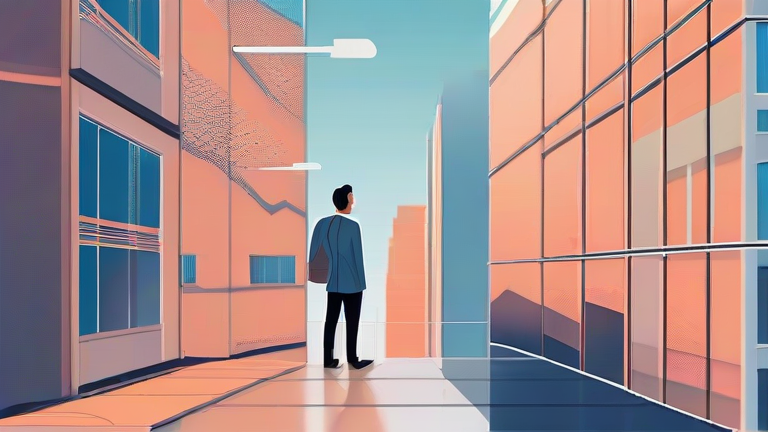
How Remote Work Is Reshaping Urban Real Estate Markets
The global shift toward remote and hybrid work models has fundamentally altered the architectural and economic landscape of urban centers. For over a decade, the dominant narrative in real estate was one of vertical growth, with dense city cores commanding premium prices for office space and high-rise apartments. However, the persistence of telecommuting has disrupted this trajectory, forcing a reevaluation of how cities are planned, valued, and utilized. This transformation is not merely a temporary fluctuation but a structural shift with profound implications for urban planning, commercial leasing, and residential demand.
At the forefront of this change is the significant reduction in demand for traditional Class A office space. Major metropolitan areas in North America and Europe have seen vacancy rates climb to historic highs. In response, property developers are increasingly looking at adaptive reuse strategies. Former office towers are being converted into residential units, hotels, or mixed-use facilities that combine living, working, and leisure spaces. This transition requires substantial structural modifications, including the installation of plumbing for bathrooms and kitchens in spaces previously designed for open-plan desks, a process that is both costly and technically complex.
If you want to dig deeper, check out our guide on Real-Time Biometric Data in Mental Health Apps.

On the residential front, the impact is equally dramatic. The “flight to quality” has accelerated, with renters and buyers prioritizing larger living spaces, dedicated home offices, and access to green areas over proximity to city centers. Suburban and exurban markets have experienced a surge in demand, leading to increased property values and construction activity in previously overlooked regions. This decentralization is prompting cities to invest in infrastructure that supports distributed workforces, including high-speed broadband expansion in rural and suburban areas to ensure equitable access to economic opportunities.
The commercial real estate sector is also witnessing a pivot toward flexible workspace solutions. Co-working spaces, once considered a niche market, are now integral components of urban development strategies. These spaces offer amenities that many remote workers lack in their home environments, such as meeting rooms, networking events, and professional support services. Landlords are redesigning lobbies and common areas to foster community engagement,
Leave a Reply