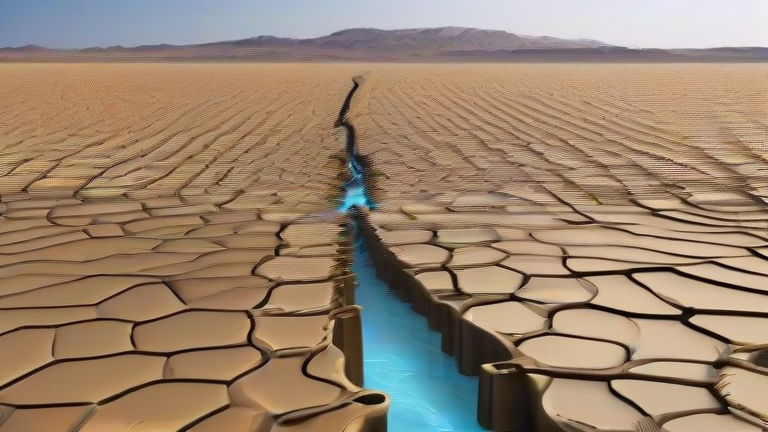
Water Scarcity Drives Tech Innovation
As global populations swell and climate change accelerates, the planet’s most vital resource is vanishing at an alarming rate. Water scarcity is no longer a distant threat but a present crisis affecting billions. In response, the technology sector has mobilized with unprecedented vigor, transforming how we extract, purify, and manage water. This shift is not merely about survival; it is about reimagining infrastructure through the lens of digital efficiency and advanced material science.
Atmospheric Water Generation Breakthroughs
One of the most promising developments in the fight against drought is atmospheric water generation (AWG). Traditional AWG units required massive amounts of energy to condense moisture from the air. However, recent innovations have introduced solar-powered desiccant systems that operate efficiently even in arid environments. These new devices utilize metal-organic frameworks (MOFs), highly porous materials that can capture water vapor from the air at relative humidity levels as low as 20%. Unlike conventional systems, these MOF-based generators do not require electricity grids. They absorb moisture during the cool night and release it as clean drinking water when exposed to sunlight during the day. The specs are impressive: a single unit can produce up to 30 liters of water per day, enough for a small family or a small farm, entirely off-grid.
If you want to dig deeper, check out our guide on NFTs Evolve Into Verified Digital Identity Keys.

AI-Driven Smart Water Grids
While new extraction methods are crucial, preserving existing supplies is equally important. The integration of Artificial Intelligence (AI) into municipal water management has revolutionized leak detection and distribution efficiency. Smart water grids utilize IoT sensors placed throughout pipelines to monitor pressure, flow, and quality in real-time. Machine learning algorithms analyze this data to identify anomalies that indicate leaks before they become catastrophic bursts. For instance, recent deployments in major metropolitan areas have reduced non-revenue water loss by up to 30%. This technology does not just save water; it saves money and reduces the carbon footprint associated with treating and pumping unnecessary volumes.
Related Articles
Leave a Reply