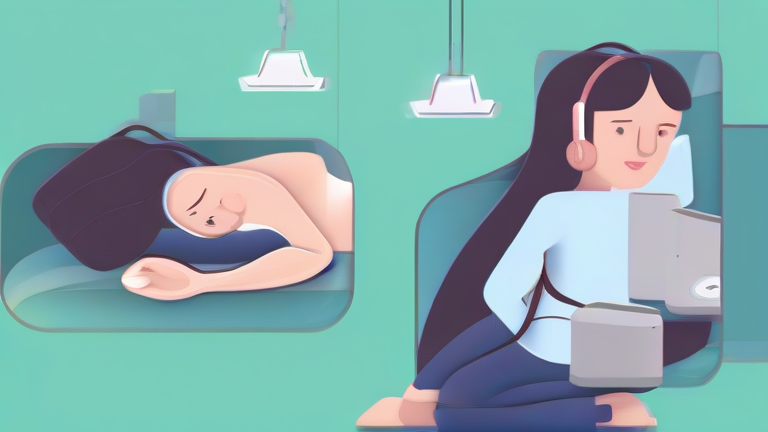
Sleep Optimization Wearables Gain FDA Approval
The landscape of personal health monitoring has shifted dramatically with the recent influx of FDA-approved sleep optimization wearables. These devices are no longer just fitness trackers; they are recognized medical tools capable of providing actionable data to improve your rest quality. Understanding how to utilize these certified devices effectively can transform your nightly routine and overall well-being. This guide provides essential steps and tips to maximize the benefits of your new wearable technology.
If you want to dig deeper, check out our guide on CRISPR Therapies Gain FDA Approval for Rare Diseases.
Step 1: Choose the Right Certified Device
Begin by selecting a wearable that has received explicit clearance from the Food and Drug Administration for sleep staging or apnea detection. Look for labels indicating “510(k) clearance” or “De Novo classification.” Common form factors include smart rings, wristbands, and headbands. Ensure the device fits comfortably, as poor fit leads to inaccurate data. Verify that the brand provides transparent privacy policies regarding your health data.
Step 2: Proper Setup and Calibration
Download the companion app and create your profile with accurate age, weight, and height. Many FDA-approved devices require a baseline calibration period. Wear the device for at least three consecutive nights before drawing conclusions. During this phase, keep a simple sleep log to correlate subjective feelings of restfulness with the device’s metrics. This helps you understand how the algorithm interprets your specific sleep patterns.
Step 3: Analyze and Act on Data
Review the daily reports provided by the app. Focus on key metrics like sleep latency, REM duration, and restlessness. If the device detects irregularities, such as frequent awakenings or low oxygen saturation, note these patterns. Use this data to adjust your environment. For instance
Leave a Reply