Brain-Computer Interfaces Enter Clinics: The Neurotech Revolution
Imagine stepping into a serene wellness retreat, not to escape the world, but to reconnect with your own mind. This is the emerging reality of Brain-Computer Interfaces (BCIs) in clinical settings. Once confined to sci-fi narratives and heavy laboratory equipment, neurotechnology is now integrating into lifestyle clinics, offering a profound angle for personal growth and mental clarity.
The journey begins with a simple consultation. In these modern clinics, the atmosphere rivals that of high-end spas. Soft lighting, calming aromatherapy, and gentle ambient sounds set the stage for what is essentially a mental workout. Patients don’t wear helmets wired to massive servers; instead, they don sleek, fashion-forward headbands resembling high-tech headphones. These devices read neural signals, translating thoughts into digital commands or biofeedback data.
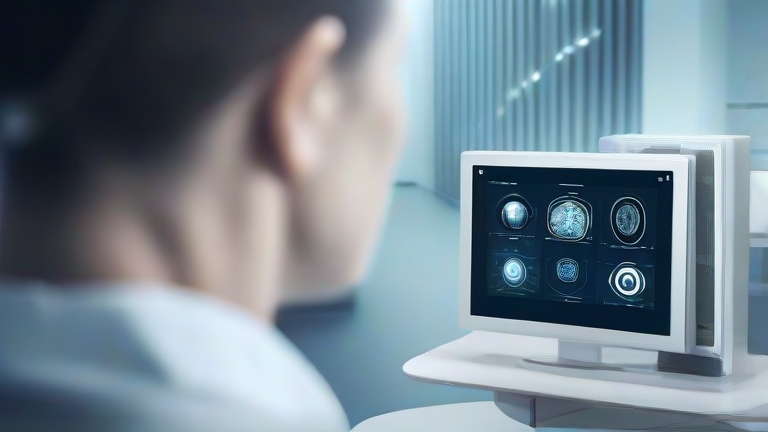
For the traveler seeking inner peace, this is a new frontier. Consider a retreat in Sedona or Bali, where sessions focus on neuroplasticity. By visualizing calming scenarios, patients can train their brains to reduce anxiety or improve focus. The feedback is immediate. A screen displays real-time data: heart rate variability, stress levels, and brainwave coherence. It turns the abstract concept of “mindfulness” into a tangible, measurable practice.
Food and nutrition also play a role. Clinics often partner with nutritionists who design diets optimized for cognitive function. Think of meals rich in omega-3s and antioxidants, served in beautifully plated dishes that nourish both body and brain. The idea is to fuel the neural pathways you are actively retraining through BCI sessions.
Culturally, this shift represents a move from passive consumption to active engagement with our biology. It challenges the stigma around mental health treatment, framing it as an upgrade rather than a repair. For the personal growth enthusiast, this is empowering. You are not just observing your mind; you are learning to steer it.
As these technologies become more accessible, the line between therapy and enhancement blurs. We are entering an era where understanding your brain is as common as checking your fitness tracker. The revolution isn’t just about technology;
Leave a Reply