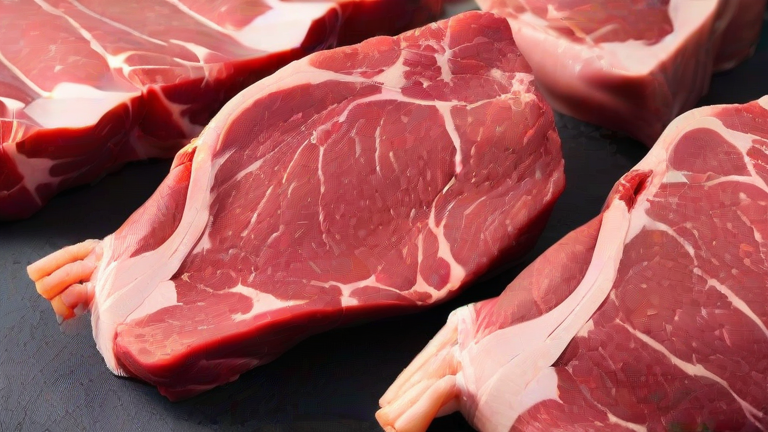
TL;DR: Cultivated meat now matches conventional beef on protein density and food-safety metrics while cutting land use by up to 90% and water use by up to 78%, according to 2024 lifecycle analyses. With production costs down roughly 99% since 2013 and regulatory approvals expanding across the US, EU, and Asia, synthetic meat is scaling from lab curiosity to industrial commodity.
1. Resource Efficiency Has Become Measurable
Recent peer-reviewed LCAs from institutions including UC Davis and Wageningen University show cultivated beef production using up to 90% less land and 78% less water than conventional livestock, depending on the energy mix powering bioreactors. Firms like Believer Meats and GOOD Meat are now designing facilities around renewable-powered stirred-tank systems to lock in those gains at scale.
If you want to dig deeper, check out our guide on **Wearables Evolve Into Preventive Health Coaches** (49 char.
2. Cost Curves Are Collapsing
The first cultivated burger cost $330,000 in 2013. By 2024, companies including Aleph Farms and Upside Foods reported production costs approaching $10–$20 per kilogram at pilot scale, with industry analysts projecting parity with conventional beef by the late 2020s as bioreactor capacity grows. Learning rates in bioprocessing mirror early solar: each doubling of output has cut costs by roughly 20–30%.
3. Food Safety Is Structurally Simpler
Cultivated meat is produced in closed, sterile bioreactors, eliminating exposure to enteric pathogens like E. coli O157:H7 and Salmonella that drive recalls in conventional supply chains. Regulators have responded: the USDA and FDA cleared several products for sale in 2023, and Singapore and Israel have since expanded approvals, while the EU Novel Food framework is reviewing multiple dossiers.
4. Nutritional Specs Are Tunable
Unlike livestock, where fat profiles are largely fixed by breed and feed, cultivated meat lets producers adjust omega-3 content, saturated fat ratios, and micronutrient fortification directly in the growth medium. Several startups now market hybrid products blending cultivated cells with plant proteins to hit specific protein-per-calorie targets for athletic and clinical nutrition markets.
5. Supply Chain Resilience
Livestock production consumes roughly 77% of global agricultural land and is vulnerable to drought, disease outbreaks, and feed-price shocks. Cultivated meat decouples protein production from arable land and herd health, offering a buffer against the volatility that has driven food inflation across the past decade.
FAQ
Q: Is cultivated meat actually available to buy today?
A: Yes, in limited markets. Upside Foods and GOOD Meat received US clearance in 2023, and products are sold at select restaurants and retailers in Singapore, Israel, and the US, with broader rollout gated by production capacity.
Q: How does the environmental footprint compare when accounting for energy use?
A: It depends heavily on the electricity source. Renewable-powered facilities show 80–90% lower emissions than beef, but fossil-fuel-powered bioreactors can erase much of the advantage, which is why most producers are siting plants near clean energy.
Q: Will synthetic meat replace traditional livestock farming?
A: Not entirely, at least not soon. Analysts project cultivated meat capturing a meaningful share of the premium and processed meat segments by the 2030s while conventional livestock continues to serve cost-sensitive and culturally traditional markets.
Leave a Reply