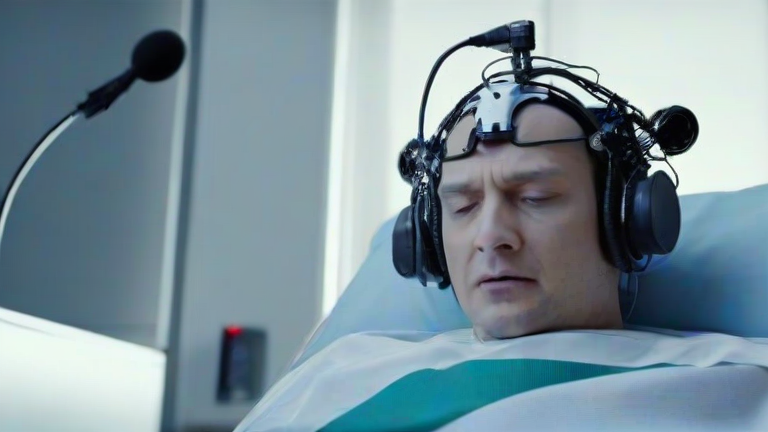
TL;DR: Brain-computer interfaces (BCIs) are rapidly restoring communication capabilities for paralyzed patients by decoding neural signals into text or speech. The market is projected to reach $1.5 billion by 2030, driven by breakthroughs in non-invasive technology and AI integration.
The Revolution in Neural Communication
The landscape of medical technology is undergoing a profound shift as brain-computer interfaces move from the laboratory to the clinic. For individuals suffering from severe paralysis due to conditions like amyotrophic lateral sclerosis or spinal cord injuries, BCI technology represents a lifeline to human connection. Recent studies demonstrate that patients can now type at speeds comparable to a standard mobile device, a feat that was previously unimaginable just a decade ago. This technological leap is not merely an incremental improvement; it is a fundamental redefinition of what is possible for those with limited motor functions, offering a direct line from thought to expression.
Market Dynamics and Growth
The economic implications of this medical breakthrough are substantial. According to recent market analysis, the global BCI market was valued at approximately $600 million in 2023. Analysts predict a compound annual growth rate of 25%, with the market potentially reaching $1.5 billion by 2030. This growth is fueled by increasing government funding for neurotechnology, private venture capital injection, and rising demand for assistive technologies. Major players in the tech and healthcare sectors are competing to lead this space, recognizing that BCI is not just a medical device but a gateway to broader human-computer interaction paradigms.
Expert Insights and Future Trajectories
Dr. Elena Rostova, a leading neuroscientist at the Institute for Advanced Neural Engineering, emphasizes that the current focus is on making BCIs more intuitive and less invasive. “The next frontier is not just decoding speech, but capturing the emotional nuance of language,” Rostova explains. She predicts that within five years, we will see hybrid systems that combine EEG with minimally invasive electrode arrays, offering a balance between safety and signal fidelity. Furthermore, the integration of large language models with BCI data is expected to revolutionize how these systems process and generate text. Instead of simply mapping signals to characters, AI algorithms will interpret intent, allowing for more natural and fluid conversation. This convergence of neuroengineering and artificial intelligence promises to create a future where communication barriers are significantly reduced, empowering paralyzed patients to participate fully in social and professional environments.
FAQ
Q: Are current BCI systems safe for long-term use?
A: While invasive systems carry surgical risks, non-invasive and minimally invasive options are increasingly safe and show no significant long-term adverse effects in clinical trials.
If you want to dig deeper, check out our guide on How to Build a React Dashboard with Tailwind CSS: Tutorial.
Q: How does a BCI convert thoughts into speech?
A: Electrodes detect electrical activity in the motor cortex, which is then decoded by AI algorithms that translate neural patterns into text or synthesized speech.
Q: When will commercial BCI devices become widely available?
A: Early commercial availability is expected within the next three to five years, initially for severe medical cases before expanding to broader consumer applications.
Leave a Reply