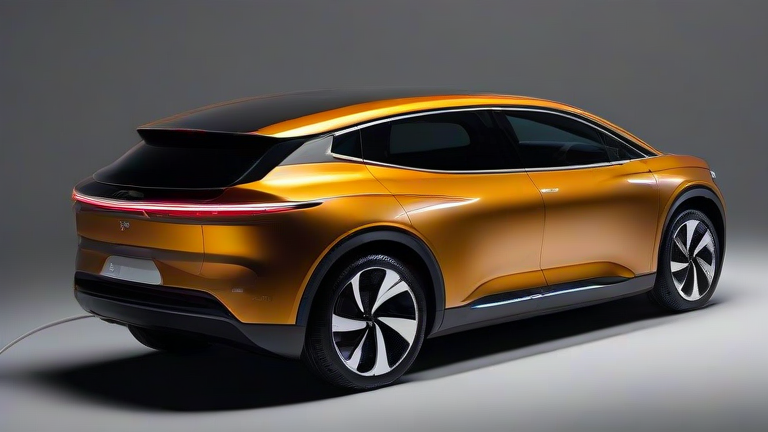
Solid-State Batteries Boost EV Range to 600 Miles
The electric vehicle industry is standing on the precipice of a revolutionary shift, driven by the rapid maturation of solid-state battery (SSB) technology. This innovation promises to solve the two most persistent pain points for consumers: range anxiety and charging speed. By replacing the liquid electrolyte found in traditional lithium-ion batteries with a solid material, manufacturers can achieve significantly higher energy density. The result is a tangible leap in performance, with next-generation vehicles now projecting a realistic range of 600 miles on a single charge. This milestone is not merely a marketing statistic; it represents a fundamental change in how we perceive electric mobility, effectively bridging the gap between internal combustion engines and sustainable electric transport.
Market Analysis and Strategic Insights
From a market perspective, the demand for SSBs is skyrocketing. Analysts predict that the global solid-state battery market will grow at a compound annual growth rate exceeding 40% through 2030. Major automotive conglomerates are no longer treating this as a speculative future technology but as an immediate strategic imperative. The strategic insight here is clear: first-mover advantage is critical. Companies that successfully integrate SSBs into mass-market vehicles will dominate the premium segment while gradually pushing costs down to capture the broader consumer base. Furthermore, the supply chain dynamics are shifting. Unlike traditional lithium-ion batteries, which rely heavily on cobalt and nickel, many SSB designs utilize abundant materials like sulfur or silicon, potentially reducing geopolitical supply risks and production costs over time.
If you want to dig deeper, check out our guide on Top 5 Design Trends to Watch in 2024.
Case Studies in Innovation
Several key players are already translating theory into practice. Toyota has announced plans to launch its first commercial solid-state vehicle by 2027, leveraging proprietary patents to ensure a ten-minute charging time for 600 miles of range. Meanwhile, QuantumScape, in partnership with Volkswagen, has demonstrated prototype cells that retain 80% of their capacity after 1,000 charge cycles, addressing durability concerns that have plagued earlier iterations. These case studies illustrate that while technical hurdles remain, the path to commercialization is becoming increasingly clear. Investors are responding positively
Leave a Reply