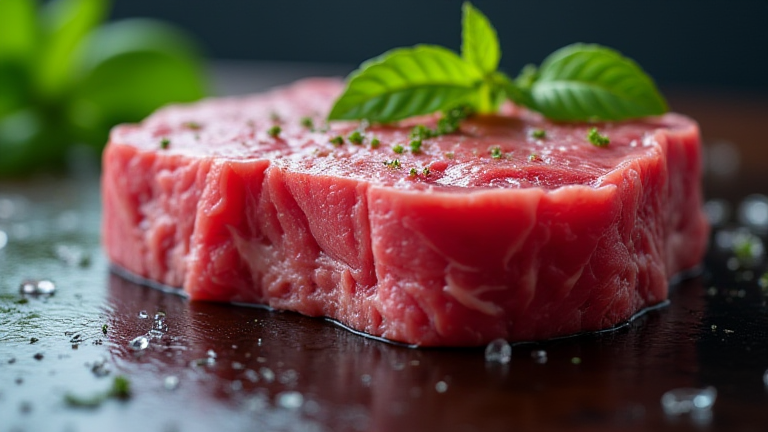
Lab-Grown Steak: Why Synthetic Biology Is Changing Meat
TL;DR: Synthetic biology is revolutionizing the food industry by producing animal protein from cell cultures, offering a sustainable alternative to traditional livestock farming. This technology promises to drastically reduce environmental impact while ensuring a consistent, high-quality protein source for a growing global population.
The Technology Behind the Trend
Lab-grown meat, also known as cultivated or cellular agriculture, involves taking stem cells from an animal and growing them in a bioreactor to produce muscle and fat tissue. This process mimics the natural growth of muscle but occurs in a controlled laboratory environment. Recent developments have focused on improving the scalability and cost-efficiency of these bioreactors. Companies like Upside Foods and Good Meat have recently received regulatory approval in various jurisdictions to sell their products, marking a pivotal moment for the industry. The latest breakthroughs include the development of three-dimensional scaffolds that allow cells to grow in complex structures, resulting in meat with the correct texture and taste profile.
If you want to dig deeper, check out our guide on How the Quiet Luxury Trend Is Boosting Silk Scarf Sales.
Technical Specifications and Production Metrics
From a technical standpoint, the production of lab-grown meat requires precise control over several variables. The bioreactors must maintain specific temperatures, typically around 37°C, and pH levels to ensure optimal cell growth. Nutrient media, often derived from plant-based sources, provides the necessary amino acids, vitamins, and minerals for cell proliferation. Recent advancements in media formulation have reduced the cost of production by up to 40% compared to early iterations. Furthermore, the use of scalable bioprocesses allows for the production of thousands of kilograms of meat in a single facility, a feat impossible with traditional animal husbandry. The energy efficiency of these systems is also improving, with new designs reducing the carbon footprint per kilogram of meat produced significantly.
Industry Impact and Market Dynamics
The impact on the traditional meat industry is profound. Synthetic biology offers a solution to the environmental challenges posed by livestock farming, including deforestation, greenhouse gas emissions, and water usage. Studies suggest that lab-grown meat could reduce land use by 95% and water use by 78% compared to beef production. This shift is attracting significant investment from major tech companies and food conglomerates, signaling a broader acceptance of the technology. However, challenges remain. Regulatory hurdles vary by country, and consumer perception is still evolving. Educating the public about the safety and benefits of cultivated meat is crucial for widespread adoption. As costs continue to decline, lab-grown meat is poised to become a mainstream option, complementing rather than replacing traditional meat in the short term. The industry is also exploring hybrid products, combining cultivated cells with plant-based proteins to create cost-effective solutions that bridge the gap between conventional and fully synthetic meats.
In conclusion, synthetic biology is not just a novelty but a fundamental shift in how we produce food. By leveraging cellular agriculture, we can address some of the most pressing issues facing our planet, including climate change and food security. As the technology matures and scales, lab-grown steak will likely become a staple in kitchens around the world, offering a taste of the future without the environmental cost.
FAQ
Q: Is lab-grown meat safe to eat?
A: Yes, it is generally considered safe. The cells are grown in controlled, sterile environments, and the final product undergoes rigorous testing to ensure it meets safety standards comparable to conventional meat.
Q: How does the taste compare to regular meat?
A: Early reviews indicate that lab-grown meat closely resembles traditional meat in taste and texture, especially with recent improvements in fat integration and flavor enhancement techniques.
Q: When will lab-grown meat be widely available?
A: It is already available in limited markets in countries like Singapore and the United States. Widespread availability is expected to increase over the next five to ten years as production scales up and costs decrease.
Leave a Reply