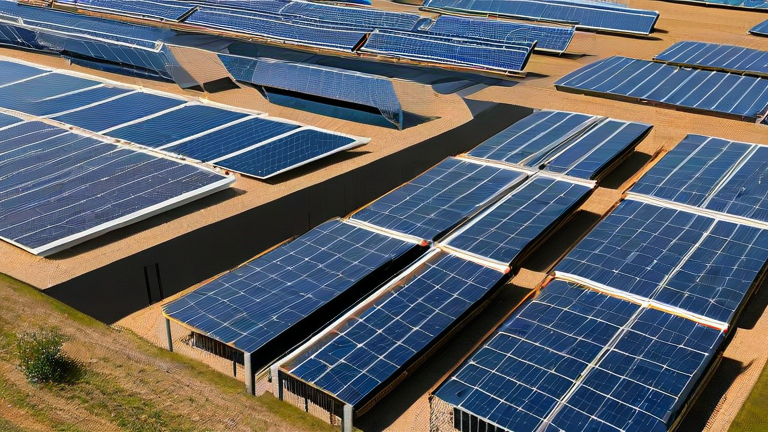
TL;DR: Decentralized energy grids leveraging solid-state battery storage offer superior safety and energy density, enabling reliable off-grid living. Integrating these systems supports sustainable wellness by reducing reliance on fossil fuels and ensuring stable, clean power for essential health infrastructure.
The Intersection of Energy and Health
While health articles typically focus on diet and exercise, environmental stability is a critical pillar of modern wellness. Decentralized energy grids, powered by solid-state batteries, represent a paradigm shift in how we secure our physical well-being. Unlike traditional lithium-ion batteries, which rely on liquid electrolytes that can leak or ignite, solid-state batteries utilize solid electrolytes. This chemical stability significantly reduces the risk of thermal runaway, making them safer for residential and community integration. For health-conscious individuals, this means a more reliable power source for medical devices, air purification systems, and refrigerated medication storage, especially during grid outages caused by extreme weather events.
If you want to dig deeper, check out our guide on Top 7 Ergonomic Office Chairs for Back Pain Relief.
Science-Backed Benefits for Lifestyle
Recent studies in environmental health indicate that reducing dependence on centralized fossil-fuel-heavy grids lowers exposure to particulate matter and nitrogen oxides. By adopting decentralized storage solutions, communities can prioritize renewable energy sources like solar and wind. The high energy density of solid-state batteries allows for compact storage units, freeing up living space for wellness activities such as yoga, meditation, or home gym equipment. Furthermore, the quiet operation of these battery systems eliminates the low-frequency noise pollution often associated with backup generators, promoting better sleep quality. Poor sleep is a known risk factor for chronic diseases, including cardiovascular issues and metabolic disorders. Therefore, the silent, clean operation of solid-state storage directly contributes to improved circadian rhythms and overall mental clarity.
Lifestyle Tips for Integration
To maximize the wellness benefits of decentralized energy, consider the following lifestyle adjustments. First, audit your home’s energy consumption to identify high-drain appliances. Shifting heavy loads to off-peak hours when renewable generation is high optimizes your battery’s efficiency and longevity. Second, prioritize indoor air quality. With a reliable, clean power source, invest in high-efficiency HEPA air purifiers that run continuously, reducing respiratory irritants. Third, maintain a digital detox protocol. The reliability of local energy storage allows you to disconnect from the broader grid’s fluctuations, providing a stable environment for mindfulness practices without the anxiety of potential power failures. Finally, engage with local community energy cooperatives. Sharing solid-state storage resources can lower individual costs, allowing for greater investment in personal health services and organic food sourcing, further aligning your energy choices with your holistic wellness goals.
FAQ
Q: Are solid-state batteries safe for home use?
A: Yes, they are significantly safer than traditional lithium-ion batteries because they use non-flammable solid electrolytes, eliminating the risk of fire or toxic leaks during normal operation.
Q: How does decentralized energy improve air quality?
A: By enabling the widespread use of clean renewable sources like solar and wind, decentralized grids reduce the need for fossil fuel combustion, thereby lowering local emissions of harmful particulates and gases.
Q: Can I use this technology to power medical devices?
A: Absolutely. The stability and reliability of solid-state storage ensure consistent power supply for critical medical equipment, which is essential for managing chronic conditions and maintaining home health care standards.
Leave a Reply