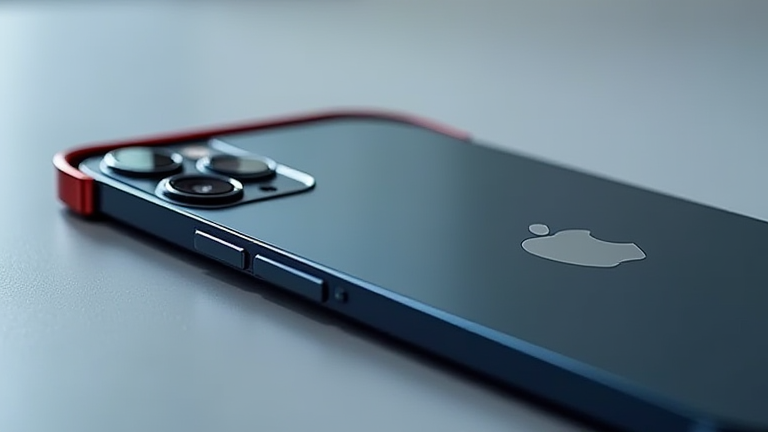
TL;DR: The iPhone 15 Pro’s titanium frame offers a significant weight reduction and enhanced durability without sacrificing structural integrity. This material shift marks a pivotal moment in smartphone engineering, setting a new industry standard for premium device construction.
The Material Revolution in Handheld Computing
For over a decade, the smartphone industry has been locked in a material arms race, cycling between polished aluminum, ceramic-coated glass, and various stainless steel alloys. Each iteration promised marginal improvements in aesthetics or heat dissipation, but rarely delivered a transformative leap in user experience. The introduction of the iPhone 15 Pro series, however, shattered this stagnation by adopting Grade 5 titanium for its frame. This is not merely a cosmetic change; it represents a fundamental rethinking of how high-performance mobile devices can be built. By leveraging aerospace-grade materials, Apple has managed to reconcile two historically conflicting goals: maximum durability and minimum weight. The result is a device that feels lighter in the hand yet more robust in daily use, addressing a common pain point for users who carry their phones for extended periods.
If you want to dig deeper, check out our guide on 5 Science-Backed Habits for Better Health: What Actually Wor.
Specs That Matter: Weight, Strength, and Thermal Dynamics
The technical specifications behind the titanium frame reveal just how ambitious Apple’s engineering team has been. The new alloy is 45 percent lighter than the stainless steel used in previous Pro models. For the standard Pro model, this translates to a device that is approximately 19 grams lighter. While 19 grams may seem negligible on paper, the difference is palpable in the hand, especially when paired with the larger display and the slightly thicker body required to house the new A17 Pro chip and advanced camera systems. Beyond weight, the material choice impacts thermal management. Titanium has different thermal conductivity properties compared to steel, which has allowed engineers to optimize the internal heat dissipation pathways. This ensures that the powerful A17 Pro chip can sustain peak performance during gaming or video editing without throttling as aggressively as its predecessors. Furthermore, the surface finish of the titanium is matte and sandblasted, providing a non-slip grip that enhances usability in wet or sweaty conditions, a practical improvement often overlooked in marketing but highly valued by daily users.
Industry Impact and the Future of Premium Hardware
The adoption of titanium in the iPhone 15 Pro is poised to ripple through the entire tech industry. Competitors are already under pressure to respond, potentially accelerating the transition away from traditional metals in flagship devices. This shift also highlights the increasing importance of supply chain diversification. Sourcing high-grade titanium requires specialized manufacturing processes, which could lead to higher production costs and longer lead times. However, for a premium device, the value proposition remains strong. Consumers are increasingly willing to pay a premium for materials that offer tangible benefits, such as reduced weight and improved longevity. The industry impact extends beyond just materials; it signals a broader trend toward sustainability and efficiency in hardware design. By using a material that is both durable and lighter, manufacturers can potentially reduce the need for over-engineering other components. This efficiency could lead to thinner, more powerful devices in the coming years. Moreover, the success of the titanium frame may encourage other industries, such as wearables and laptops, to explore similar material substitutions. The iPhone 15 Pro is not just a phone; it is a case study in how material science can drive product innovation. As the industry moves forward, the titanium frame will likely become the benchmark against which all future premium smartphones are measured, setting a new standard for what users expect from their flagship devices.
FAQ
Q: Is the titanium frame more scratch-resistant than aluminum?
A: Yes, titanium is inherently harder than aluminum, making it more resistant to scratches and dents, though it is still advisable to use a case for extreme protection.
Q: Does the titanium frame affect wireless charging capabilities?
A: No, the frame does not interfere with wireless charging, as the charging coils are positioned internally and are not obstructed by the titanium material.
Q: Will older iPhone accessories be compatible with the titanium frame?
A: Most magnetic and clip-on accessories are compatible, but some cases designed
Leave a Reply