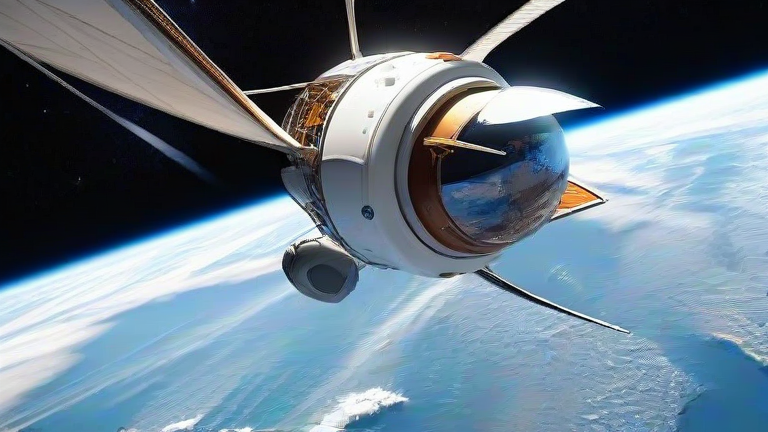
TL;DR: Commercial low-Earth orbit flights are now operational, offering private citizens the chance to experience weightlessness and view Earth from space. To participate, you must secure a seat through a licensed provider like SpaceX, Blue Origin, or Axiom Space, complete rigorous medical screening, and undergo specific physical training protocols.
Understanding the Current Landscape
The era of exclusive government-only space travel has ended. Today, several private companies offer suborbital and orbital experiences. For true Low-Earth Orbit (LEO) flights, the primary providers are SpaceX via the Inspiration4 precedent model, Blue Origin’s New Shepard (suborbital), and Axiom Space, which partners with the International Space Station. It is crucial to distinguish between suborbital hops, which reach the edge of space but do not orbit, and full orbital flights that circle the Earth. This guide focuses specifically on LEO missions, which are significantly more complex and expensive than suborbital tourism.
If you want to dig deeper, check out our guide on Best Noise-Cancelling Headphones for Remote Work.
Step 1: Secure Your Seat
Availability is extremely limited. Most seats are sold via exclusive auctions or partnerships with high-net-worth individuals and corporate sponsors. You cannot simply buy a ticket online. Instead, you must contact the commercial providers directly or join waitlists for upcoming missions. For Axiom Space, missions are often announced months in advance, and seats are allocated based on fundraising or charitable goals. Budget accordingly; LEO tickets can range from hundreds of thousands to several million dollars per person, covering training, insurance, and flight costs.
Step 2: Medical and Physical Preparation
Once a seat is confirmed, you will undergo a comprehensive medical evaluation. This includes cardiac stress tests, blood work, and neurological assessments to ensure you can withstand the G-forces of launch and re-entry. Most providers require passengers to be in excellent health. You must be free of chronic conditions that could exacerbate stress in a confined environment. Additionally, you will need to maintain peak physical fitness. Training typically begins six months before the flight. This involves centrifuge training to acclimate to high G-forces, underwater neutral buoyancy simulation to practice EVA-like movements, and centrifuge sessions to simulate the intense acceleration during launch.
Step 3: Mission Training
Training is rigorous and mandatory. You will spend weeks in simulation centers, learning to operate the spacecraft’s basic systems. Even though professional pilots will fly the vehicle, passengers are expected to understand emergency procedures. You will practice donning and doffing flight suits, navigating the cabin, and understanding communication protocols. Mental preparation is also key; you will learn techniques to manage anxiety and spatial disorientation. The goal is to ensure you can remain calm and cooperative during the most critical phases of the mission, such as launch and re-entry.
Step 4: Launch Day and Post-Flight
On the day of the launch, you will arrive at the launch facility several days in advance for quarantine and final checks. The launch itself involves intense vibration and acceleration, peaking at several Gs. Once in orbit, you will experience weightlessness, allowing you to float freely within the cabin. You will have opportunities to take photographs, perform simple experiments, and enjoy the view of Earth. Re-entry is another high-G phase, where heat shields protect the capsule. After landing, you will undergo medical debriefing and recovery. The entire process, from application to landing, takes approximately six to eight months.
Essential Tips for Aspiring Astronauts
Start your training early. Do not wait until you have a confirmed seat to begin physical conditioning. Regular cardiovascular exercise, strength training, and balance work are essential. Maintain a healthy diet and avoid substances that can affect your medical clearance, such as excessive alcohol or nicotine. Stay informed about the latest developments in commercial spaceflight, as policies and requirements can change rapidly. Finally, prepare your finances carefully. While insurance is often included, you may need additional coverage for personal belongings or specific health risks. Engage with the community of aspiring space tourists to share experiences and gain insights from those who have already flown.
Leave a Reply