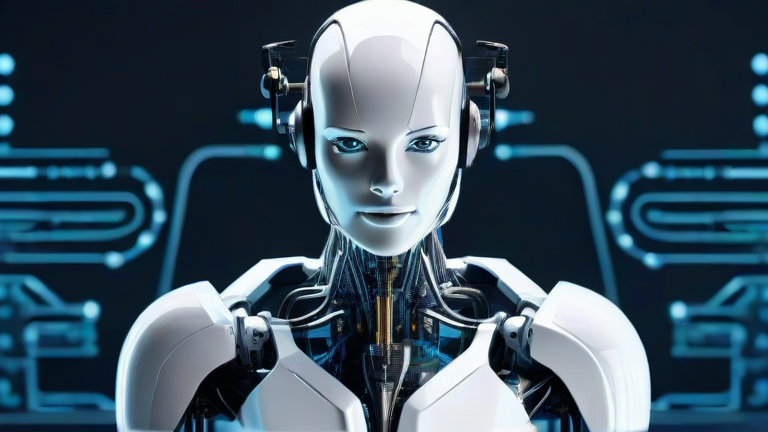
TL;DR: AI agents are transforming enterprise workflows by autonomously handling complex, multi-step tasks that previously required significant human intervention. This shift allows professionals to reclaim their time for creative and strategic endeavors, enhancing both productivity and work-life balance.
In the modern corporate landscape, the boundary between work and life has become increasingly blurred. The relentless tide of emails, scheduling conflicts, and data entry tasks often leaves little room for personal growth or leisure. However, a new wave of technological innovation is poised to restore equilibrium. AI agents, distinct from simple chatbots, are designed to perceive, reason, and act with a degree of autonomy that mirrors human intuition. They do not just respond to prompts; they execute goals. For the enterprise professional, this means the tedious middle management of digital existence is being offloaded to intelligent software partners.
If you want to dig deeper, check out our guide on Best Ergonomic Office Chairs for Long Hours.
Reclaiming Your Weekends
Imagine a Tuesday afternoon where your AI agent has already synthesized quarterly reports, coordinated cross-departmental meetings, and flagged anomalies in the supply chain data. While you sit in a quiet corner of a bustling city café, sipping a locally roasted espresso, your digital counterpart handles the operational heavy lifting. This is not science fiction; it is the emerging reality of automated enterprise workflows. The cultural impact of this shift is profound. It moves us away from the “always-on” culture that defines many modern workplaces and toward a model where presence is valued over mere availability. When administrative burdens are automated, the pressure to be constantly connected diminishes, allowing for genuine disconnection during off-hours.
The Culinary Metaphor of Automation
Think of your workday as a complex meal. Previously, you were the sous chef, the line cook, and the dishwasher, chopping onions while simultaneously plating dishes and scrubbing pots. The AI agent is the executive chef who manages the kitchen. It ensures the ingredients are prepped, the timing is right, and the presentation is perfect. You, meanwhile, are free to focus on the creative aspect of the cuisine—the unique flavors and experiences that define your brand. This metaphor extends to personal growth. By automating the repetitive, low-cognitive-load tasks, you free up mental bandwidth for deep work. This mental space is essential for learning new skills, pursuing hobbies, or simply being present with loved ones. The reduction in cognitive load leads to lower stress levels, which in turn improves overall well-being and job satisfaction.
Cultural Shifts in the Workplace
As AI agents become more prevalent, the definition of professional competence is shifting. It is no longer about how quickly you can process data or how many meetings you can attend. Instead, it is about how effectively you can direct these autonomous tools to achieve strategic outcomes. This cultural shift values judgment, ethics, and strategic vision over rote execution. Companies that embrace this change are finding that their employees report higher levels of engagement. The fear of being replaced by AI is replaced by the excitement of collaboration with AI. This partnership model fosters a culture of continuous learning, where humans and machines evolve together. For the individual, this means a career that is less about grinding through tasks and more about curating a life of purpose and impact.
Ultimately, the integration of AI agents into enterprise workflows is not just a technological upgrade; it is a lifestyle evolution. It offers the promise of a future where technology serves humanity, rather than the other way around. By automating the complex, we simplify the human experience, allowing us to travel further, taste more, and grow deeper in our personal and professional lives.
FAQ
Q: Are AI agents replacing human workers in enterprises?
A: No, they are augmenting human capabilities by handling repetitive tasks, allowing humans to focus on high-value creative and strategic work.
Q: How does this affect work-life balance?
A: By automating administrative burdens, AI agents reduce after-hours work, enabling employees to disconnect and spend more quality time on personal interests.
Q: What skills are becoming more valuable with AI adoption?
A: Critical thinking, strategic oversight, ethical judgment, and the ability to manage
Leave a Reply