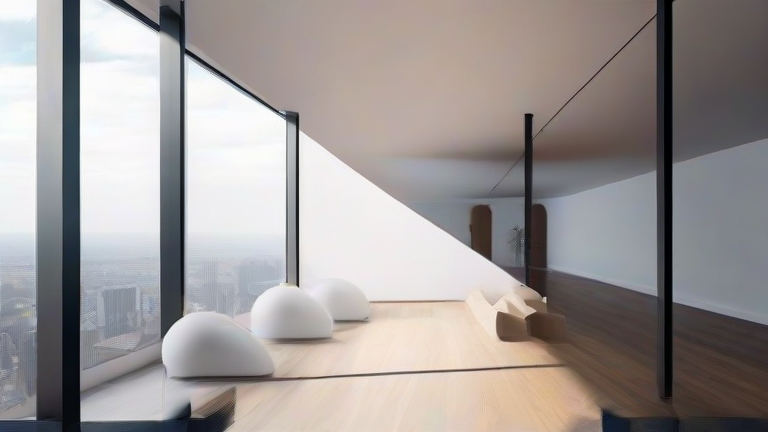
Remote Work Crisis: Why Commercial Real Estate Is Crumbling

The skyline of every major metropolis tells a different story today. Where once glass towers buzzed with the energy of thousands of professionals, silence now reigns supreme. This is not merely a temporary dip in occupancy; it is a fundamental structural failure of the commercial real estate (CRE) model. As remote and hybrid work models become the permanent norm, the traditional office lease is becoming an obsolete asset class. The crisis is no longer looming on the horizon; it is here, and it is reshaping the urban economic landscape in ways that are both devastating and necessary.
Feature Highlights of the New Reality
The primary feature of this new era is the decoupling of work from place. Companies are no longer paying premium rents for square footage that sits empty for half the week. Instead, they are prioritizing flexibility. The old model demanded long-term commitments and massive physical footprints. The new model demands agility, cost-efficiency, and employee satisfaction. This shift has led to a surge in demand for flexible workspace providers and a sharp decline in traditional long-term leases.
Furthermore, the quality of the workspace has changed. Employees now expect offices to be hubs for collaboration rather than rows of cubicles for individual productivity. Buildings that lack modern amenities, advanced ventilation systems, or collaborative spaces are becoming liabilities. The feature that matters most today is not location convenience for commuting, but the quality of the experience for those who choose to come in.
Comparing the Old vs. The New
When comparing the pre-2020 CRE market to today, the differences are stark. Previously, landlords held the power. Tenants signed five-to-ten-year leases, often paying for space they did not fully utilize. Today, the power dynamic has shifted. Tenants have leverage. They can negotiate shorter terms, lower rents, or exit clauses. Landlords are forced to offer incentives that would have been unthinkable just three years ago.
Moreover, the financial implications are severe. Commercial mortgage-backed securities (CMBS) are facing higher default rates as
Leave a Reply