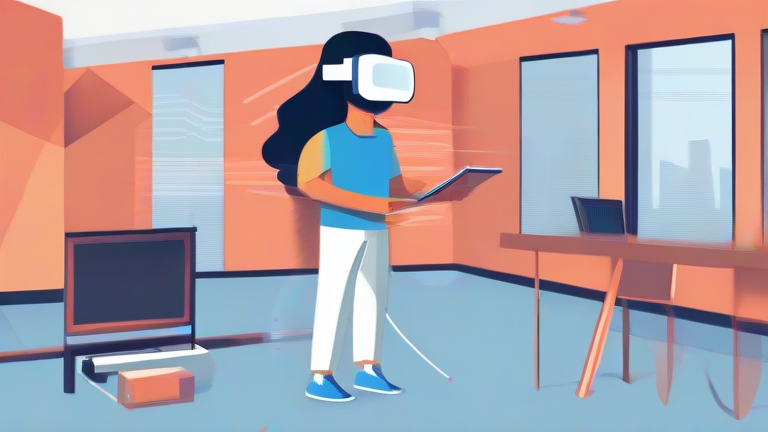
# How VR Education Replaces Physical Labs
The landscape of scientific education is undergoing a seismic shift. For decades, the physical laboratory has been the undisputed cornerstone of STEM learning, a sacred space where theory meets tangible reality. However, a new paradigm is emerging, one that leverages the immersive power of Virtual Reality (VR) to not just simulate, but often surpass the capabilities of traditional brick-and-mortar labs. This transformation is not merely about digitizing old methods; it is about redefining what is physically and financially possible in higher education and vocational training.
The Technological Leap
Recent advancements in VR hardware have bridged the gap between novelty and necessity. The latest generation of headsets, such as the Varjo XR-4 and the upcoming Apple Vision Pro, offer pixel densities exceeding 30 pixels per inch, effectively eliminating the “screen door” effect that previously hindered realism. When combined with haptic feedback gloves from companies like HaptX, students can now feel the resistance of a virtual pipette or the warmth of a simulated chemical reaction. These devices utilize inside-out tracking and eye-tracking technology, ensuring that interactions are intuitive and precise. The latency has dropped to under 20 milliseconds, a critical threshold that prevents motion sickness and allows for seamless, real-time manipulation of complex virtual objects.
If you want to dig deeper, check out our guide on EV Charging Infrastructure Booms: What’s Driving the Boom?.
Software development has kept pace with hardware. Engineered environments now utilize photorealistic rendering and physics-based simulations that mimic real-world chemical reactions, biological processes, and mechanical failures with uncanny accuracy. Students can disassemble a jet engine thousands of times without wear and tear, or observe cellular structures at a molecular level, something impossible in a standard high school lab. This level of detail allows for iterative learning, where mistakes lead to immediate, safe, and informative feedback loops.
Industry Impact and Accessibility
The economic implications of this shift are profound. Traditional labs require significant capital investment in infrastructure, safety equipment, reagents, and maintenance. A single chemistry lab can cost millions to build and tens of thousands annually to restock. In contrast, a VR lab has a high initial
Leave a Reply