
Metaverse Retail Experiences Gain Traction
The digital landscape is shifting beneath our feet. For decades, e-commerce has been defined by static images, text descriptions, and the frustrating inability to physically interact with products before purchase. Today, that paradigm is collapsing, replaced by immersive, three-dimensional environments that redefine what it means to “shop” online. The metaverse is no longer a speculative buzzword reserved for tech enthusiasts; it is a burgeoning retail frontier that major brands are aggressively exploring to capture the attention of a digitally native generation. This review examines the current state of these virtual storefronts, highlighting key features, comparing them to traditional platforms, and offering a verdict on their viability.
Feature Highlights: Immersion and Interaction
What sets metaverse retail apart is the sheer depth of engagement. Unlike a standard website, these platforms offer spatial audio, haptic feedback integration, and real-time avatar customization. Shoppers can walk through virtual flagship stores, pick up items to examine them from every angle, and even try on digital skins or accessories via augmented reality overlays. This interactivity reduces the uncertainty that often plagues online shopping. For instance, luxury fashion brands like Gucci and Nike have launched virtual boutiques where users can purchase digital-only apparel for their avatars, creating a new revenue stream that complements physical sales. These experiences are not just about buying; they are about belonging to a community and expressing identity in shared digital spaces.
If you want to dig deeper, check out our guide on Top 5 Design Trends Reshaping Your Industry in 2024.
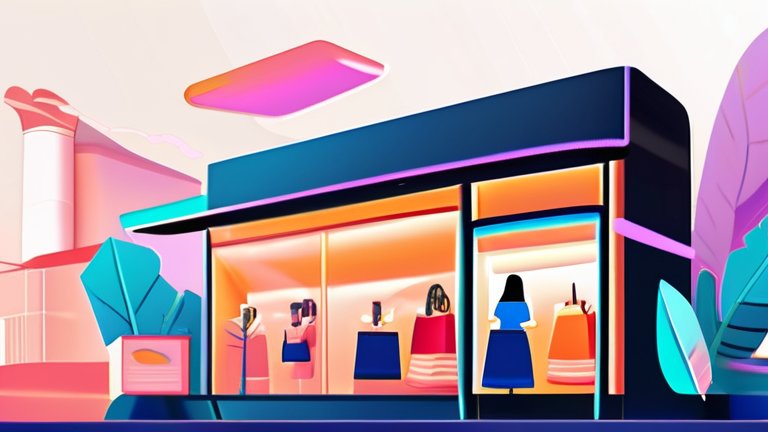
Another critical feature is the integration of blockchain technology. Non-fungible tokens (NFTs) serve as proof of ownership for digital assets, ensuring authenticity and scarcity. This has opened doors for limited-edition drops and exclusive access rights, transforming retail into a more gamified and rewarding experience. Consumers are not just buying a product; they are acquiring a unique digital item that holds value within the ecosystem. This sense of ownership and exclusivity drives engagement and fosters brand loyalty in ways traditional loyalty points never could.
Comparisons: Metaverse vs. Traditional E-Commerce
When compared to traditional e-commerce, the metaverse offers a superior sensory experience but currently lacks
Leave a Reply