Continuous Glucose Monitoring for Personalized Nutrition
The landscape of health and wellness is undergoing a seismic shift, moving away from one-size-fits-all dietary advice toward hyper-personalized strategies driven by real-time biological data. At the forefront of this revolution is Continuous Glucose Monitoring (CGM). Once the exclusive domain of individuals with diabetes, CGM technology is rapidly becoming a staple in the wellness routines of health-conscious consumers, biohackers, and athletes. This transition represents a significant opportunity for businesses aiming to capitalize on the growing demand for data-driven nutrition solutions.
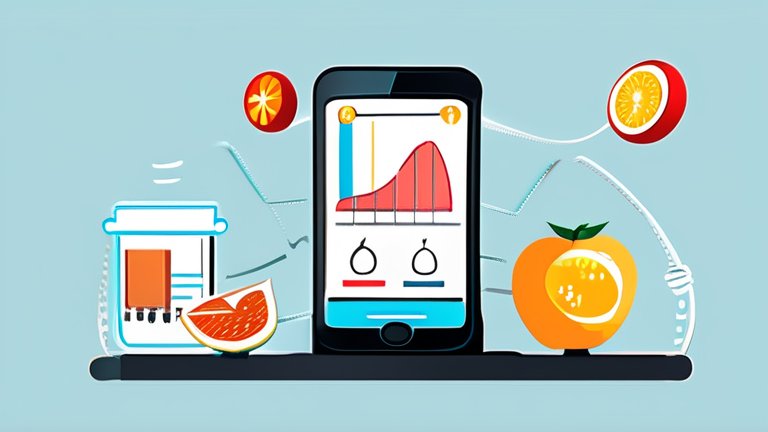
Market Analysis: A Growing Ecosystem
The global CGM market, valued at approximately $3 billion in 2023, is projected to grow at a compound annual growth rate (CAGR) of over 15% through 2030. While the primary driver remains the management of diabetes, the “non-diabetic” segment is expanding at an unprecedented pace. Consumers are increasingly interested in understanding how their bodies respond to specific foods, sleep patterns, and stress levels. This curiosity has created a fertile ground for startups and established tech giants to enter the space. The market is no longer just about selling hardware; it is about creating an ecosystem of software, analytics, and advisory services that translate raw glucose data into actionable lifestyle insights.
If you want to dig deeper, check out our guide on Top 10 Tech Trends Shaping 2024: What You Need to Know.
Strategic Insights: Beyond the Data
For businesses looking to thrive in this sector, simply providing a sensor is insufficient. The true value lies in data interpretation and user engagement. Successful strategies involve integrating CGM data with other health metrics, such as heart rate variability and sleep quality, to provide a holistic view of metabolic health. Companies must focus on user experience, ensuring that complex glucose trends are presented in intuitive, easy-to-understand dashboards. Furthermore, partnerships with nutritionists, dietitians, and fitness coaches are crucial. These professionals act as bridges, helping users understand the “why” behind their glucose spikes, thereby fostering long-term behavior change rather than temporary curiosity.
<h
Leave a Reply