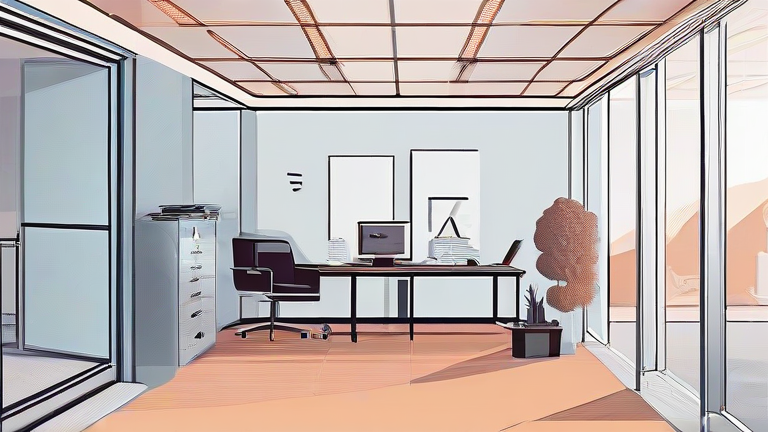
Remote Work to Hybrid Hubs: The Future of Office Spaces
The architectural and technological landscape of the modern workplace is undergoing a radical transformation. No longer viewed merely as a collection of cubicles designed for maximum surveillance and immediate task completion, office spaces are evolving into sophisticated hybrid hubs. These new environments prioritize collaboration, well-being, and seamless digital integration. As remote work transitions from a temporary pandemic response to a permanent fixture of the global economy, companies are reimagining their physical footprints to attract top talent while reducing operational costs. The result is a dynamic ecosystem where technology bridges the gap between home and headquarters.
At the core of this shift is the deployment of advanced spatial computing and immersive communication tools. Leading tech firms are integrating high-fidelity holographic displays and zero-latency 5G connectivity to ensure that remote participants feel as present as those in the room. Recent specifications for next-generation meeting rooms include AI-driven noise cancellation, automatic camera framing that tracks speaker movement, and ambient lighting systems that adjust to circadian rhythms. These features are not just luxuries; they are essential for maintaining engagement and reducing Zoom fatigue. The hardware is complemented by robust cloud-based infrastructure that allows employees to access critical data securely from any location, ensuring business continuity regardless of physical presence.
If you want to dig deeper, check out our guide on Metaverse Conferences Replace Annual Summits.

Industry impact is profound, particularly in real estate and urban planning. Commercial landlords are pivoting from long-term leases to flexible workspace solutions, offering hot-desking options and co-working spaces that cater to the hybrid workforce. This flexibility reduces overhead for companies, allowing them to downsize their physical presence while enhancing employee satisfaction. Cities are also adapting, with downtown areas transforming into vibrant community hubs rather than dormant business districts on weekends. The demand for amenities such as fitness centers, healthy dining options, and green spaces has increased, reflecting a holistic approach to work-life balance.
Moreover, the environmental benefits of reduced commuting and smaller office footprints cannot be overstated. Companies are leveraging smart building technologies to monitor energy usage in real-time, optimizing heating, cooling, and lighting based on occupancy. This data-driven approach not only lowers carbon emissions but also significantly reduces utility costs. As we move forward, the success of
Leave a Reply