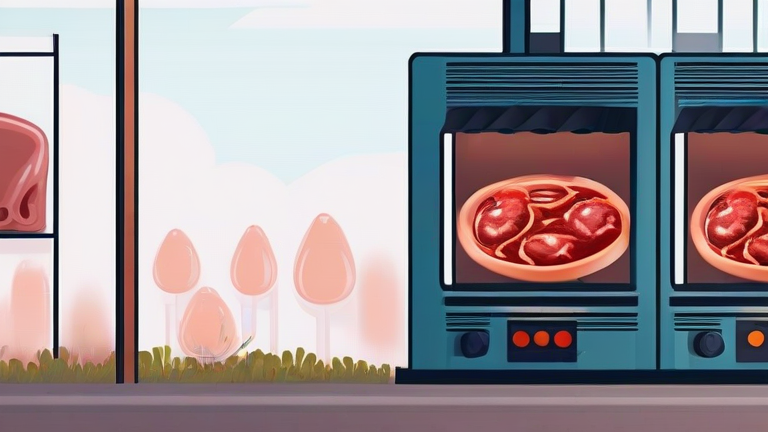
Lab-Grown Meat Expands Globally: The Future of Food

The culinary landscape is shifting beneath our feet, and it is not a slow geological drift but a rapid technological evolution. For decades, the idea of meat cultivated from cells in a laboratory felt like science fiction, reserved for dystopian novels or futuristic documentaries. Today, however, it is becoming a tangible reality on menus from Singapore to the United States. This shift is not merely about technological prowess; it is a profound cultural and personal moment that redefines our relationship with what we eat.
Traveling through major metropolitan hubs, one notices a subtle change in the dining discourse. Food critics and adventurous eaters are no longer asking if lab-grown meat will replace traditional agriculture entirely, but rather how it will complement it. The expansion of cultivated meat globally represents a bridge between tradition and innovation. It invites us to reconsider the ethics of consumption without sacrificing the visceral joy of a well-prepared steak or the tender crunch of a chicken nugget. For the modern traveler, this means new gastronomic frontiers to explore, where sustainability meets indulgence.
From a cultural perspective, food is the ultimate universal language. The introduction of lab-grown meat challenges deep-seated traditions surrounding hunting, farming, and butchery. Yet, it also offers a path toward preserving those traditions by reducing the environmental toll of industrial livestock farming. As climate change intensifies, the carbon footprint of traditional meat production has come under intense scrutiny. Cultivated meat promises a significantly lower impact on water usage, land degradation, and greenhouse gas emissions. This is not just an environmental necessity; it is a form of personal growth for the conscious consumer. By choosing alternatives that align with ecological values, individuals participate in a larger narrative of stewardship and responsibility.
The personal growth angle here is subtle but powerful. It requires us to confront our biases and open our palates to new definitions of “natural” and “ethical.” Just as plant-based diets required a shift in mindset for many, cultivated meat asks us to trust in science while honoring the sensory experiences we cherish. It is an invitation to be curious, to taste the future, and to recognize that progress does
Leave a Reply