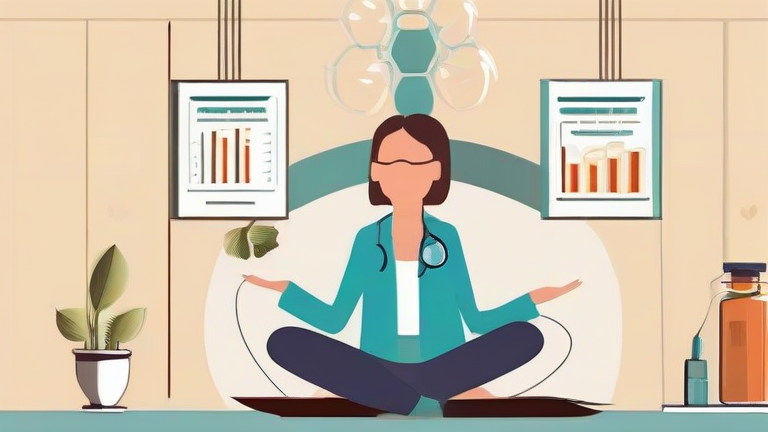
7 Science-Backed Health Tips to Boost Your Daily Energy
Feeling perpetually tired? You are not alone. In our fast-paced world, low energy levels have become a common complaint, often dismissed as simply part of aging or stress. However, modern science suggests that sustainable energy is less about consuming more caffeine and more about optimizing your body’s natural rhythms. By integrating specific, evidence-based lifestyle changes, you can transform your sluggish mornings into vibrant starts and maintain steady vitality throughout the day.

If you want to dig deeper, check out our guide on How AI Agents Autonomously Manage Enterprise Workflows.
First, prioritize protein-rich breakfasts. Research indicates that starting your day with protein, rather than high-sugar carbohydrates, stabilizes blood sugar levels. This prevents the notorious mid-morning crash that leaves you reaching for another coffee. Secondly, embrace morning sunlight. Exposure to natural light within an hour of waking suppresses melatonin production and boosts cortisol at the optimal time, setting your circadian rhythm for better alertness and sleep quality later that night.
Third, stay hydrated. Even mild dehydration, as little as two percent of body weight, can significantly impair cognitive function and physical energy. Keep a water bottle nearby and sip consistently throughout the day. Fourth, incorporate brief bursts of movement. You do not need an intense gym session to feel energized. A ten-minute walk after meals improves insulin sensitivity and boosts blood flow, delivering oxygen to your brain and muscles more efficiently.
Fifth, manage your caffeine intake strategically. Science recommends waiting 90 to 120 minutes after waking before consuming caffeine. This allows adenosine, a neurotransmitter that promotes sleepiness, to clear from your system naturally, preventing afternoon exhaustion. Sixth, prioritize sleep hygiene. Consistent sleep schedules and a cool, dark environment are non-negotiable for cellular repair and mental recovery. Finally, practice stress-reduction techniques like mindfulness or deep breathing. Chronic stress drains energy reserves by keeping your body in a constant state of fight-or-flight.
Implementing these seven tips does not require a complete overhaul of your life overnight. Start with one or two changes, such as drinking more water
Leave a Reply