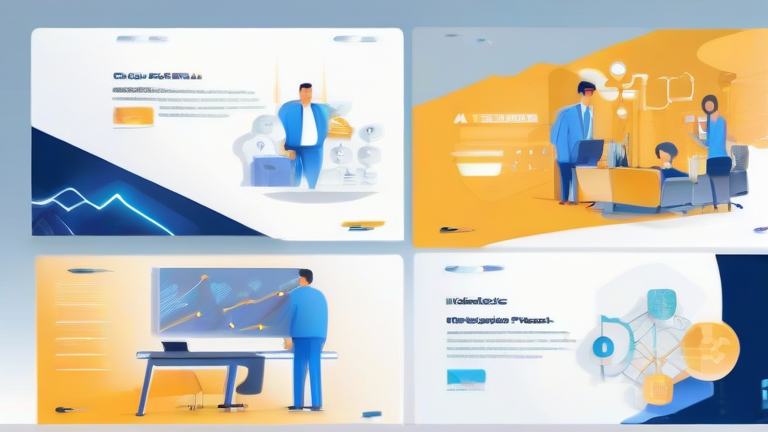
How AI Agents Automate Complex Business Workflows
The landscape of enterprise automation is undergoing a seismic shift. We are moving beyond simple Robotic Process Automation (RPA), which merely mimics human actions on static interfaces, toward intelligent AI Agents. These agents do not just execute predefined scripts; they perceive, reason, and act autonomously to navigate the intricate, multi-step processes that define modern business operations. This evolution promises to unlock unprecedented levels of efficiency, allowing organizations to tackle complexity that was previously insurmountable or prohibitively expensive.
Market Analysis: The Rise of Autonomous Enterprise
The market for AI-driven automation is expanding at a rapid pace. Industry analysts project that the global AI in business process automation market will reach hundreds of billions of dollars by the end of the decade. This growth is driven by the increasing volume of data and the growing demand for real-time decision-making. Traditional automation tools struggle with unstructured data and exception handling. In contrast, AI agents leverage Large Language Models (LLMs) to understand context, interpret natural language instructions, and adapt to changing variables without human intervention. Investors are increasingly focusing on platforms that offer agentic capabilities, recognizing that the next wave of productivity gains lies in autonomy rather than mere acceleration.
If you want to dig deeper, check out our guide on Mental Health Apps Now Integrate with Wearable Data.

Strategic Insights for Implementation
For businesses looking to adopt AI agents, the strategy must be deliberate. It is not enough to simply deploy technology; organizations must redesign their workflows to leverage agent capabilities. The first step is identifying high-value, high-complexity workflows that involve multiple systems and decision points. Common candidates include supply chain management, customer onboarding, and financial reconciliation. Secondly, enterprises must establish robust governance frameworks. Since agents act autonomously, there must be clear guardrails, human-in-the-loop checkpoints for critical decisions, and continuous monitoring to ensure ethical and compliant behavior. Finally, integration is key. AI agents must seamlessly connect with existing ERP, CRM, and legacy systems to access real-time data, ensuring that their actions are informed and accurate.
Case Studies in Action
To understand the tangible impact, consider the case of a global
Leave a Reply