
Personalized Nutrition: Leveraging Gut Microbiome Data for Health
The human gut microbiome is a complex ecosystem of trillions of microorganisms that plays a crucial role in digestion, immunity, and mental health. Understanding your unique microbial composition allows you to tailor your diet for optimal well-being. This guide provides a straightforward approach to using microbiome data for personalized nutrition. By following these steps, you can transform raw data into actionable dietary changes that support your specific health goals.
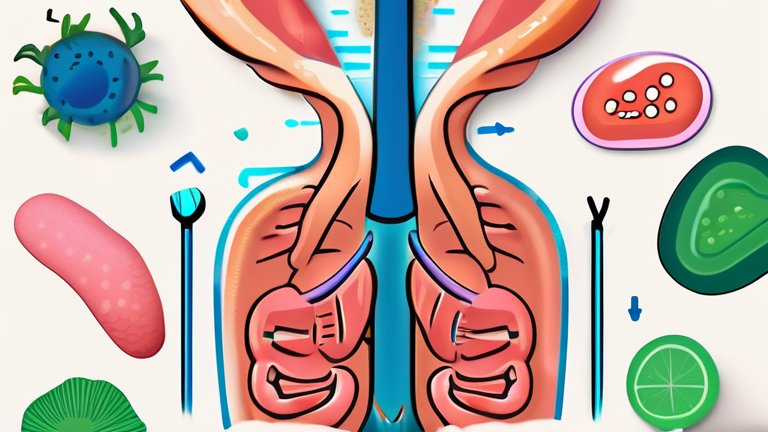
Step 1: Choose a Reliable Testing Service
Begin by selecting a reputable gut microbiome testing company. Look for services that use advanced next-generation sequencing technology and have transparent methodologies. Read user reviews and check for clinical validation. Ensure the company offers detailed reports that interpret bacterial diversity, pathogen presence, and nutrient metabolism capabilities. A reliable provider will offer ongoing support or access to nutritionists who can help interpret your results accurately.
If you want to dig deeper, check out our guide on How AI Agents Automate Complex Enterprise Workflows.
Step 2: Collect Your Sample Correctly
Follow the kit instructions meticulously to ensure sample integrity. Typically, this involves collecting a small stool sample at home. Maintain the sample at the recommended temperature during shipping. Avoid consuming probiotics or antibiotics for at least two weeks before testing, as these can significantly alter your microbial profile. Consistency in preparation is key to obtaining accurate data that reflects your true baseline health status.
Step 3: Analyze Your Results
Once your results arrive, focus on three key areas: microbial diversity, specific bacterial strains, and food sensitivities. High diversity is generally associated with better health outcomes. Identify beneficial bacteria that may be lacking and harmful bacteria that are overrepresented. Pay close attention to recommendations regarding fiber intake, prebiotics, and specific foods to avoid. Many reports highlight how your microbes process carbohydrates, fats, and proteins, offering insights into your metabolic efficiency.
Related Articles
Leave a Reply