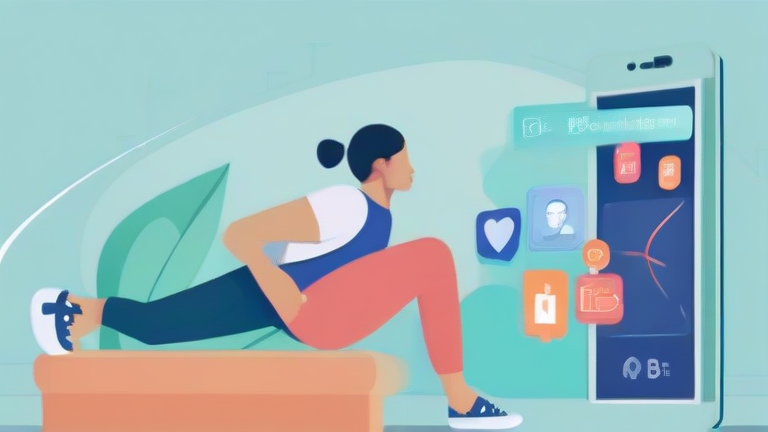
TL;DR: Wearable integration is transforming mental health apps by enabling real-time, physiological data tracking that bridges the gap between subjective feelings and objective biological markers. This evolution allows for proactive, personalized interventions that significantly enhance user engagement and clinical outcomes.
The Convergence of Biometrics and Behavioral Science
The landscape of digital mental health is undergoing a profound shift. Historically, mental health applications relied heavily on self-reported data, such as mood journals or symptom checklists. While valuable, these methods are prone to recall bias and lack objective context. The latest developments in wearable technology are solving this problem by integrating advanced biometric sensors directly into everyday devices like smartwatches, fitness bands, and even smart rings. This integration allows mental health apps to access a continuous stream of physiological data, including heart rate variability (HRV), skin temperature, galvanic skin response, and sleep patterns.
If you want to dig deeper, check out our guide on Remote Work Mandates for Hybrid Offices.
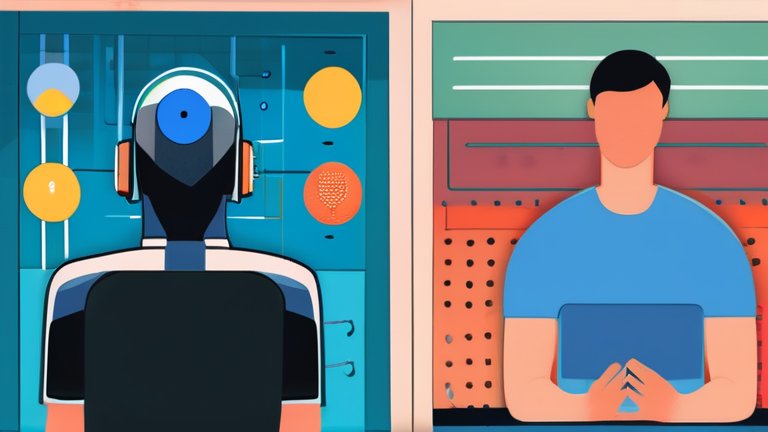
This synergy creates a closed-loop system where the device detects physiological signs of stress or anxiety before the user is even consciously aware of them. For instance, a sudden drop in HRV might trigger the app to suggest a guided breathing exercise or a mindfulness meditation session. This proactive approach marks a significant departure from reactive digital tools, positioning mental health support as an integral part of daily wellness rather than a last resort during a crisis. The technology is becoming increasingly sophisticated, utilizing machine learning algorithms to learn an individual’s unique baseline and detect deviations that may indicate mental health struggles.
Technical Specifications and Industry Impact
From a technical standpoint, the integration requires seamless API connections between wearable operating systems like Apple WatchOS, Wear OS, and proprietary ecosystems like Whoop or Oura. These APIs allow for high-frequency data sampling, which is crucial for accurate stress detection. Modern specs include optical heart rate sensors with multi-wavelength LED arrays for improved accuracy during movement, and accelerometers that can detect subtle changes in physical activity levels associated with depression or agitation. Furthermore, the integration often includes ambient noise detection, allowing apps to assess environmental stressors, such as crowded or noisy spaces, that may contribute to anxiety.
The industry impact is substantial. Healthcare providers are beginning to prescribe these integrated tools as adjunctive therapies, providing clinicians with objective data to supplement traditional talk therapy. Insurance companies are also taking notice, offering premium discounts to users who engage consistently with these monitored programs. This data-driven approach not only improves user adherence but also provides measurable outcomes that justify investment. As the technology matures, we can expect to see more specialized devices designed specifically for mental health monitoring, moving beyond general fitness tracking to focus on emotional well-being. The convergence of wearable tech and mental health apps is not just a trend; it is a fundamental reimagining of how we understand and manage our psychological health, making support more accessible, personalized, and effective than ever before.
FAQ
Q: How do wearable devices detect stress or anxiety?
A: Wearables detect stress by monitoring physiological markers such as heart rate variability (HRV), skin temperature, and galvanic skin response, which change in response to the body’s sympathetic nervous system activation.
Q: Are these mental health apps regulated by medical authorities?
A: While many apps are classified as wellness tools, some have received FDA clearance or CE marking as medical devices when they are used to diagnose or treat specific mental health conditions, depending on their claims and functionality.
Q: Can wearable data replace traditional therapy?
A: No, wearable data is intended to complement, not replace, professional therapy. It provides objective insights and real-time support, but human interaction and clinical expertise remain essential for comprehensive mental health care.
Leave a Reply