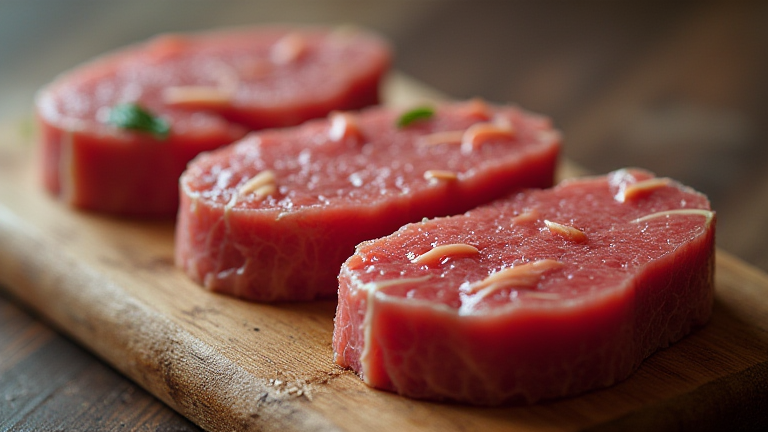
TL;DR: Lab-grown meat has officially arrived in mainstream supermarkets, offering consumers a sustainable and cruelty-free alternative to traditional animal agriculture. This shift marks a pivotal moment in culinary history, blending scientific innovation with everyday grocery shopping habits.

The scent of sizzling beef has long been synonymous with comfort, nostalgia, and cultural tradition. For decades, the kitchen has served as the heart of the home, where flavors are crafted and memories are made. Today, that narrative is undergoing a profound transformation. As we step into a new era of gastronomy, the boundary between laboratory science and the dinner table is blurring, bringing cultured meat into the aisles of our local supermarkets. This development is not merely a commercial update; it is a cultural shift that challenges our deepest associations with food.
The Intersection of Innovation and Tradition
Walking through the meat section of a modern grocery store now feels like stepping into a future that was once the realm of science fiction. Shelves that once held only cuts from animals now display packages labeled with terms like “cellular agriculture” and “cultivated protein.” For the modern foodie, this represents more than just a dietary choice; it is an opportunity for personal growth and ethical alignment. We are witnessing the democratization of sustainable dining, where the luxury of conscience is no longer reserved for high-end restaurants but is accessible to the everyday shopper.
The implications for travel and culture are equally significant. Imagine visiting a bustling market in Bangkok or a quiet butcher shop in Paris, only to find that the local specialty is now produced without harming a single animal. This evolution preserves the culinary heritage of regions while mitigating the environmental toll of industrial farming. It allows us to enjoy the rich, umami flavors we cherish while reducing our carbon footprint. The act of choosing lab-grown meat becomes a small but powerful statement of values, reflecting a growing global consciousness about sustainability and animal welfare.
Furthermore, this transition encourages a deeper engagement with the sources of our food. As consumers, we are invited to question the lifecycle of the proteins we consume. It prompts conversations at the dinner table about innovation, ethics, and the future of our planet. The stigma surrounding synthetic foods is rapidly dissipating as transparency increases and taste profiles improve. Early adopters are finding that the texture and flavor of cultivated beef, chicken, and seafood are nearly indistinguishable from their conventional counterparts, removing the barrier of novelty.
As these products become staples, they will likely inspire a new wave of culinary creativity. Chefs are already experimenting with recipes that highlight the unique qualities of cultured meats, creating dishes that are both familiar and revolutionary. This culinary renaissance promises to enrich our food culture, offering new ways to connect with our meals and each other.
FAQ
Q: Is lab-grown meat safe to eat?
A: Yes, regulatory bodies like the FDA and USDA have approved several cultivated meat products, ensuring they meet strict safety and quality standards.
If you want to dig deeper, check out our guide on Neurotech Wearables Monitor Cognitive Load to Boost Producti.
Q: How does the taste compare to traditional meat?
A: Most consumers report that the taste and texture are virtually identical to conventional meat, as the cellular structure is biologically the same.
Q: Is lab-grown meat more expensive than regular meat?
A: Prices are currently higher due to production costs, but experts predict they will drop significantly as manufacturing processes scale up and become more efficient.
Leave a Reply