
TL;DR: Yes, modern mental health applications are increasingly integrating with clinical care systems through secure APIs and standardized data protocols. This synergy allows therapists to monitor patient progress in real-time, ensuring that digital interventions complement traditional therapeutic approaches effectively.
The Convergence of Digital Tools and Clinical Practice
The landscape of mental healthcare is undergoing a profound transformation. For years, therapy and self-help tools operated in silos, creating gaps in continuity of care. Today, that paradigm is shifting. Leading mental health apps are no longer just passive journals or mood trackers; they are becoming active participants in the clinical ecosystem. This integration bridges the distance between the therapist’s office and the patient’s daily life, creating a holistic support network that adapts to the user’s evolving needs. By syncing data securely with Electronic Health Records (EHRs), these platforms empower clinicians to make informed decisions based on real-world behavioral data, not just episodic session notes.
If you want to dig deeper, check out our guide on 7 Proven SEO Strategies to Boost Your Business Growth.
Feature Highlights: Bridging the Gap
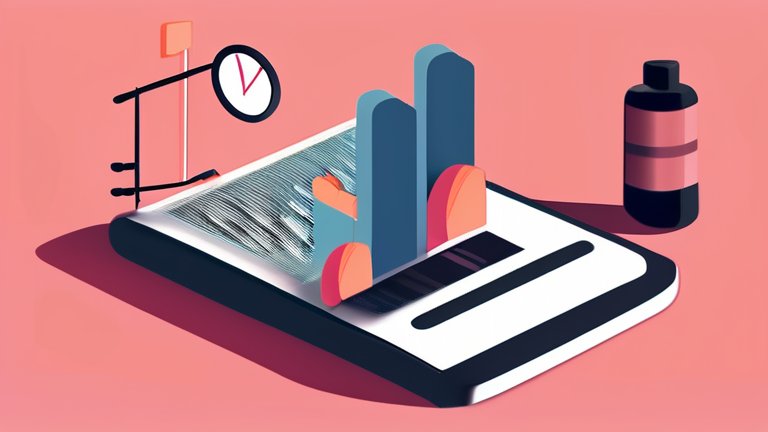
The standout feature of these integrated systems is the real-time dashboard for providers. Imagine a therapist viewing a client’s anxiety levels throughout the week, visualized through wearable data or self-reported check-ins. This contextual insight allows for more precise interventions. Key features include:
- Secure Data Syncing: HIPAA-compliant transmission of mood logs, sleep patterns, and medication adherence directly to the provider’s portal.
- Automated Alerts: Systems that flag significant deviations in mood or behavior, enabling early intervention before a crisis occurs.
- Personalized Care Plans: Algorithms that suggest specific therapeutic exercises based on current clinical diagnoses and historical data.
Comparison: Legacy vs. Integrated Solutions
When comparing traditional standalone apps to integrated clinical systems, the difference is stark. Legacy apps often suffer from data silos, requiring users to manually export reports for their therapists. This friction leads to incomplete information and reduced engagement. In contrast, integrated solutions offer a seamless user experience. They reduce administrative burdens for clinicians while providing patients with a consistent, supported journey. While standalone apps may offer broader consumer features, integrated platforms prioritize clinical validity and safety, ensuring that every recommendation aligns with established therapeutic guidelines. For patients with severe mental health conditions, this clinical oversight is not just a convenience—it is a critical safety net.
Why Integration Matters
The ultimate goal of this technology is to democratize access to quality care. By integrating apps with clinical systems, we can scale support to reach underserved populations. It transforms mental health care from a reactive model to a proactive one. Patients feel more connected to their care team, and providers gain a deeper understanding of their patients’ lives. This symbiotic relationship fosters trust, improves outcomes, and reduces the stigma associated with seeking help. As technology continues to evolve, the line between digital self-care and professional treatment will continue to blur, creating a more unified and effective healthcare experience.
Embrace this new era of mental health care. Look for platforms that prioritize interoperability and clinical partnership. Your mental well-being deserves a connected, comprehensive approach. Start your journey today by choosing a tool that works with your care team, not just for you.
FAQ
Q: Are these apps HIPAA compliant?
A: Yes, reputable integrated mental health apps strictly adhere to HIPAA regulations and other regional privacy laws to ensure secure data handling.
Q: Do I need to cancel my current app?
A: Not necessarily. Many integrated platforms allow you to migrate data or use them alongside existing tools if they support standard data formats.
Q: How does my therapist access my data?
A: Data is typically accessed through a secure, password-protected provider portal that syncs automatically with the patient’s app account.
Leave a Reply