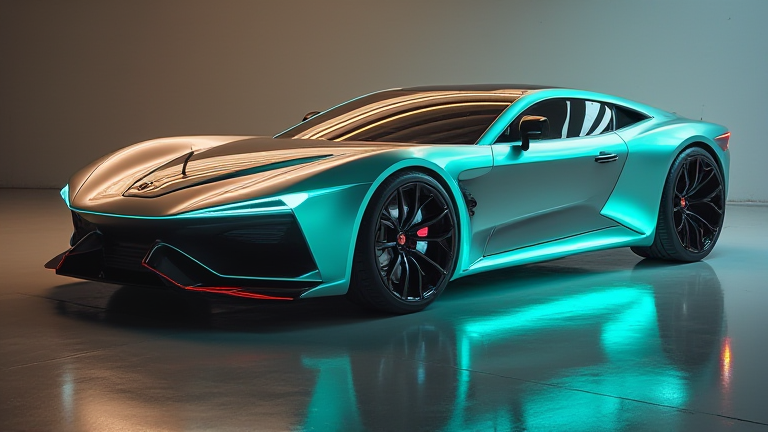
TL;DR: Solid-state batteries enable 1000-mile EV range by replacing liquid electrolytes with solid materials, drastically increasing energy density and safety. This breakthrough eliminates range anxiety and transforms long-distance travel, positioning the technology as the definitive future of electric mobility.
The Dawn of Extended Range
The electric vehicle industry stands at a pivotal crossroads. For over a decade, consumers have grappled with “range anxiety,” the fear that their vehicle will deplete power before reaching a charging station. Traditional lithium-ion batteries, while improved, have hit physical limits regarding energy density and charging speed. Enter solid-state batteries, a revolutionary technology that promises to shatter these barriers. By substituting the flammable liquid electrolyte with a solid counterpart, manufacturers can pack significantly more energy into the same physical space. This innovation directly addresses the core concern of modern drivers: the ability to travel vast distances without frequent stops.

If you want to dig deeper, check out our guide on Sustainable Aviation Fuel: The New Industry Standard.
Market Analysis and Strategic Insights
The market for solid-state batteries is projected to explode, with analysts predicting a compound annual growth rate exceeding thirty percent over the next decade. Major automotive giants and startup ventures alike are racing to secure patents and production capabilities. Strategic insights suggest that the first wave of adoption will occur in premium luxury segments, where customers are willing to pay a premium for superior performance and safety. However, the long-term strategy involves scaling production to lower costs, making 1000-mile range accessible to the mass market. Companies that fail to invest in this technology risk obsolescence as competitors offer unparalleled convenience and efficiency. The transition requires significant capital expenditure, but the potential return on investment is unparalleled, potentially redefining the value proposition of electric vehicles globally.
Case Studies in Innovation
Several key players are leading the charge. Toyota has invested billions into solid-state research, aiming for commercialization by the late 2020s. Their strategy focuses on hybrid applications first, gradually transitioning to fully electric models. Meanwhile, startups like QuantumScape are partnering with major automakers to accelerate development. Their case study highlights a successful prototype that charges from ten to eighty percent in just fifteen minutes, a feat unattainable with current lithium-ion tech. Another notable example is Samsung SDI, which recently unveiled a sample battery capable of a 600-mile range, with clear roadmaps for 1000-mile variants. These case studies demonstrate that the technology is not just theoretical but is actively moving toward commercial viability. The synergy between academic research and industrial application is accelerating progress, ensuring that the promise of extended range becomes a reality for consumers worldwide.
FAQ
Q: When will 1000-mile range EVs be available?
A: Most experts predict commercial availability between 2028 and 2030, depending on production scaling.
Q: Are solid-state batteries safer than lithium-ion?
A: Yes, they eliminate flammable liquids, significantly reducing fire risks and improving overall safety.
Q: Will they be expensive initially?
A: Initial costs will be high, but prices are expected to decrease as manufacturing processes mature.
Leave a Reply