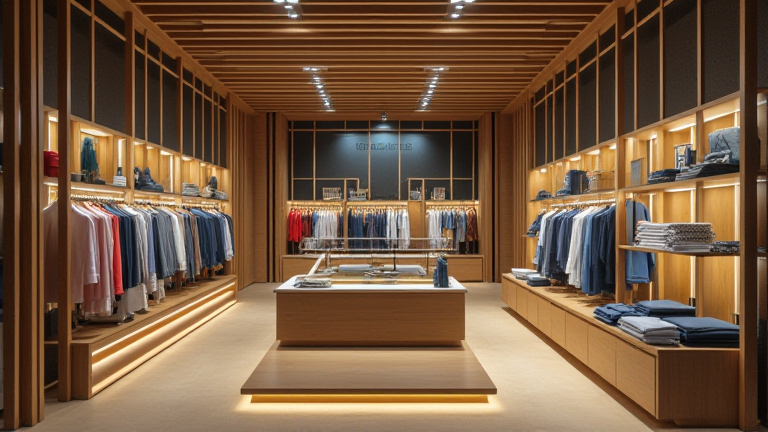
TL;DR: The circular economy in retail is driven by rental services, resale platforms, and repair initiatives that prioritize product longevity over single-use consumption. This shift transforms shopping from a transactional event into a sustainable, community-focused lifestyle choice.
Redefining Possession in the Modern Marketplace
For decades, the retail experience was defined by acquisition. We bought clothes, electronics, and home goods with the implicit understanding that they were disposable. Today, a profound cultural shift is underway. We are moving away from ownership toward access, reuse, and regeneration. This transition is not merely a regulatory compliance issue; it is a lifestyle upgrade that offers deeper engagement with the products we use and the communities we inhabit.
Consider the rise of the rental economy. What was once the domain of specialty tuxedos or high-end cameras has expanded to include everyday fashion, home decor, and even technology. Renting high-quality items allows consumers to enjoy variety without the burden of storage or the environmental cost of production. It is a form of mindful consumption where the value lies in the experience of use, not the weight of ownership. This approach resonates particularly with urban dwellers and digital nomads who prioritize flexibility and minimalism.
Simultaneously, the resale market has evolved from a niche hobby into a mainstream retail pillar. Platforms dedicated to second-hand goods provide a sense of discovery and unique storytelling. Every item has a history, a previous owner, and a continued journey. This narrative element adds emotional value to transactions, fostering a connection between buyer and seller that traditional retail often lacks. It is a return to the local marketplace, albeit digitized, where trust and transparency are paramount.
Repair services are also gaining prominence. Brands are increasingly offering repair programs to extend the lifespan of their products. This not only reduces waste but also builds brand loyalty. Customers appreciate the commitment to quality and durability. It is a tangible demonstration of corporate responsibility that aligns with personal values of sustainability.
This new retail paradigm encourages personal growth through conscious decision-making. Every purchase becomes a vote for the kind of world we want to live in. It challenges us to question our needs versus our wants, to consider the lifecycle of our possessions, and to participate actively in a regenerative system. The result is a more intentional, fulfilling, and connected lifestyle.
FAQ
Q: How does the circular economy benefit the average consumer?
A: It offers cost savings through sharing and resale, provides access to higher-quality goods, and reduces the environmental impact of daily consumption.
If you want to dig deeper, check out our guide on 10 Science-Backed Health Tips to Boost Your Energy Today.
Q: What are the main drivers behind the shift from ownership to access?
A: Environmental concerns, urbanization, and the desire for flexibility and minimalism are the primary factors driving this retail transformation.
Q: Can resale platforms be trusted for product authenticity and quality?
A: Yes, most reputable platforms now use rigorous authentication processes and quality control measures to ensure customer trust and satisfaction.
Leave a Reply