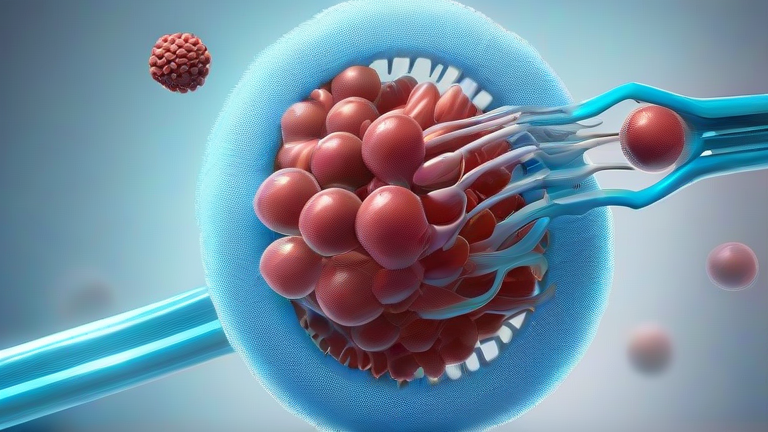
TL;DR: Yes, recent CRISPR-based therapies have successfully cured inherited blood disorders like sickle cell disease and beta-thalassemia in clinical trials. These breakthroughs offer permanent relief by editing the patient’s own stem cells to produce healthy hemoglobin.
The landscape of genetic medicine has shifted dramatically with the approval of the first CRISPR-Cas9 therapy, Casgevy, marking a historic milestone in healthcare. This revolutionary treatment targets the root cause of severe inherited blood disorders by precisely editing the DNA within a patient’s hematopoietic stem cells. Unlike previous management strategies that relied on lifelong transfusions or palliative care, this new approach offers a potential functional cure. The therapy works by reactivating the production of fetal hemoglobin, which compensates for the defective adult hemoglobin in patients with sickle cell disease and beta-thalassemia. Clinical trials have shown that over ninety percent of participants were free from severe pain crises or transfusion requirements for extended periods following treatment. This success validates years of rigorous research and positions gene editing as a viable standard of care for previously untreatable conditions.
If you want to dig deeper, check out our guide on Personalized Nutrition: Real-Time Gut Microbiome Data.
Technical Specifications and Mechanism
The technical architecture of CRISPR therapies involves several complex steps. First, patients undergo leukapheresis to collect their own stem cells. These cells are then edited ex vivo, meaning outside the body, using a guide RNA that directs the Cas9 enzyme to a specific location in the BCL11A gene. This gene normally suppresses fetal hemoglobin production after birth. By disrupting this regulatory switch, the cells begin producing functional fetal hemoglobin again. The edited cells are then infused back into the patient after they have undergone a conditioning regimen, typically involving chemotherapy, to make space in the bone marrow for the new cells. The precision of this mechanism minimizes off-target effects, a critical safety concern in early gene-editing attempts. Recent advancements have improved the delivery vectors, reducing the risk of immune reactions and enhancing the efficiency of cell engraftment.
Industry Impact and Future Outlook
The commercial and industrial implications of this breakthrough are profound. Pharmaceutical companies are racing to develop similar therapies for other genetic diseases, including muscular dystrophy and certain cancers. However, the high cost of personalized gene therapies, currently exceeding two million dollars per patient, raises significant access and equity questions. Insurance models and healthcare systems worldwide are adapting to accommodate these one-time, high-cost interventions. Furthermore, the success of CRISPR in blood disorders has accelerated investment in base editing and prime editing technologies, which offer even greater precision and fewer side effects. As manufacturing processes scale up and costs potentially decrease, the availability of these cures may expand beyond major medical centers to broader healthcare networks.
FAQ
Q: Is CRISPR therapy permanent?
A: Yes, because it edits the patient’s own stem cells, the therapeutic effect is intended to be lifelong as these cells regenerate healthy blood cells.
Q: What is the primary side effect?
A: The main risks are associated with the chemotherapy conditioning regimen, including temporary low blood counts and increased infection risk during recovery.
Q: When will it be widely available?
A: It is currently approved in the US, UK, and EU, but widespread global availability depends on insurance coverage and manufacturing scale-up over the next few years.
Leave a Reply