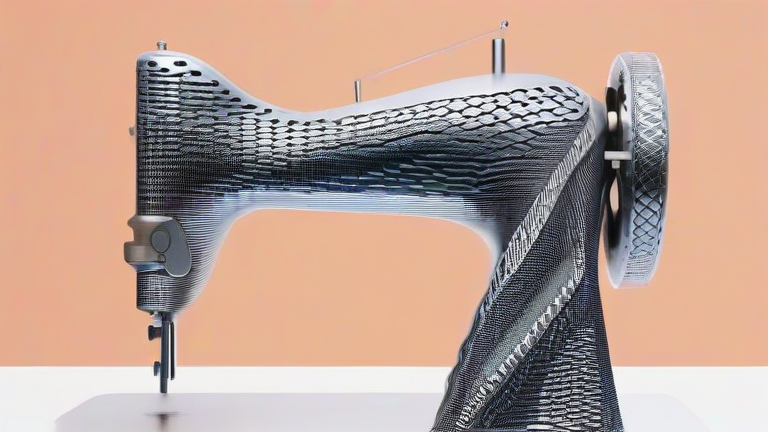
TL;DR: AI-driven material science is revolutionizing sustainable fashion by accelerating the discovery of bio-based alternatives to synthetic polymers and optimizing supply chains for minimal waste. This technological leap enables brands to create durable, eco-friendly textiles at scale, significantly reducing the environmental footprint of the global apparel industry.
The Computational Revolution in Textile Design
The fashion industry stands at a critical juncture, facing intense scrutiny over its carbon emissions and waste output. Enter artificial intelligence, a tool that is fundamentally altering how materials are conceived, tested, and manufactured. Traditionally, developing a new fabric required years of laboratory experimentation, involving countless trial-and-error cycles. AI algorithms now compress this timeline from years to mere weeks by predicting molecular structures and material properties with unprecedented accuracy. By leveraging machine learning models trained on vast datasets of chemical compositions and physical stress tests, researchers can identify promising bio-materials that mimic the durability and texture of leather or silk without relying on animal products or petroleum-based plastics.

Recent breakthroughs highlight the immense potential of this synergy. For instance, startups are utilizing generative design AI to create mycelium-based leathers that are not only biodegradable but also possess superior water resistance compared to traditional tanned hides. These AI-optimized materials offer tensile strengths that rival synthetic counterparts, addressing one of the biggest hurdles in sustainable fashion: performance. Furthermore, AI-driven spectroscopy allows for real-time quality control during production, ensuring that each batch of recycled polyester meets strict environmental standards without the need for excessive sampling or waste.
Industry Impact and Economic Viability
The adoption of AI in material science is reshaping the economic landscape of sustainable fashion. Major global brands are partnering with tech firms to integrate these innovations into their supply chains, moving beyond marketing gimmicks to genuine structural change. The ability to simulate the lifecycle of a garment before it is physically produced allows companies to predict end-of-life scenarios, ensuring that materials can be efficiently recycled or composted. This predictive capability reduces overproduction, a chronic issue that leads to billions of dollars in lost inventory and massive textile landfill contributions.
Moreover, the democratization of these AI tools is empowering smaller, independent designers to compete with fast-fashion giants. Cloud-based AI platforms provide access to advanced material databases and simulation engines, lowering the barrier to entry for sustainable innovation. As consumers become more environmentally conscious, the demand for transparent, verifiable eco-friendly products grows. AI provides the data transparency needed to substantiate sustainability claims, building trust and driving market share toward brands that prioritize ecological integrity. The convergence of computational power and material science is not just a trend; it is the foundational shift required to make sustainable fashion scalable, affordable, and truly circular.
FAQ
Q: How does AI reduce the time required to develop new sustainable fabrics?
A: AI accelerates development by using machine learning to predict molecular properties and simulate material performance, reducing the need for physical trials from years to weeks.
If you want to dig deeper, check out our guide on How Climate Tech Drives Green Energy Innovation.
Q: Are AI-discovered bio-materials as durable as traditional synthetics?
A: Yes, recent AI-optimized materials like mycelium leather and advanced recycled polymers exhibit tensile strengths and water resistance that rival or exceed traditional synthetic counterparts.
Q: How does this technology help smaller fashion brands compete?
A: Cloud-based AI platforms provide affordable access to advanced material databases and simulation tools, allowing smaller designers to create high-quality, sustainable products without massive R&D budgets.
Leave a Reply