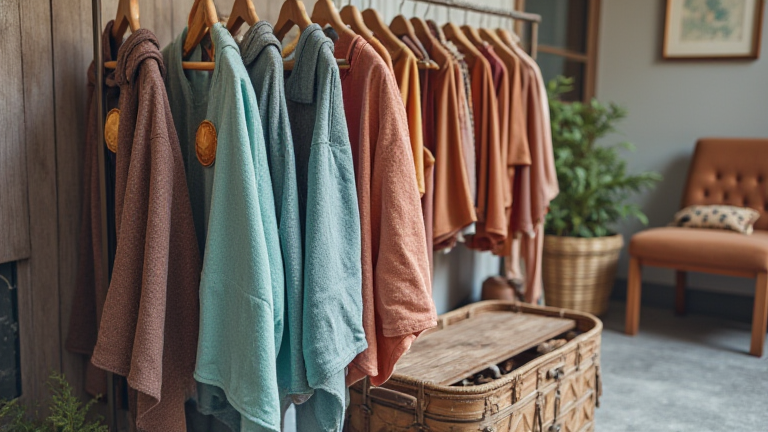
TL;DR: The sustainable fashion upcycling market is experiencing explosive growth driven by consumer demand for eco-friendly, unique garments and circular economy principles. Brands are successfully leveraging this trend by integrating transparent supply chains, digital storytelling, and community-driven design processes to capture value from waste materials.
The Rise of Circular Creativity
The global fashion industry stands at a critical crossroads, with upcycling emerging as a vital solution to the crises of textile waste and overproduction. Market analysis indicates that the secondary clothing market is projected to grow at an annual rate exceeding twelve percent, significantly outpacing traditional retail. Consumers, particularly Gen Z and Millennials, are increasingly rejecting fast fashion’s environmental toll in favor of pieces that tell a story. This shift has transformed upcycling from a niche hobby into a robust business model, creating opportunities for both established luxury houses and agile startup brands to innovate.
If you want to dig deeper, check out our guide on Remote Work Now Requires Hybrid Office Flexibility.

Strategic Implementation for Brands
To capitalize on this boom, businesses must adopt a multi-faceted strategy. First, transparency is non-negotiable. Customers want to know the origin of their materials and the impact of their purchase. Brands should utilize blockchain technology or digital product passports to verify the sustainability credentials of their upcycled inputs. Second, storytelling is key. Unlike mass-produced items, each upcycled piece is unique. Marketing campaigns should highlight the craftsmanship, the history of the original garment, and the artistic process behind its transformation. This emotional connection justifies premium pricing and fosters brand loyalty. Finally, collaboration is essential. Partnering with local tailors, designers, and waste management firms creates a resilient supply chain while reducing logistics emissions.
Case Studies in Success
Several companies have already demonstrated the viability of this approach. Reformation, for instance, has integrated upcycled vintage denim into its core collections, marketing these items as limited-edition drops that drive urgency and exclusivity. Similarly, Patagonia’s Worn Wear program encourages customers to repair and trade in used gear, effectively extending the lifecycle of products and building a circular ecosystem. Another notable example is the startup “The Renewal Workshop,” which partners with major brands to clean, repair, and resell returned items, proving that large-scale upcycling is operationally feasible. These case studies illustrate that upcycling is not just a marketing gimmick but a strategic imperative for long-term sustainability and profitability.
FAQ
Q: Is upcycling profitable for small businesses?
A: Yes, upcycling can be highly profitable because it reduces raw material costs and allows for premium pricing due to the unique, artisanal nature of the products.
Q: How can brands ensure quality control in upcycled fashion?
A: Brands can ensure quality by implementing rigorous inspection processes, using durable stitching techniques, and providing detailed care instructions to maintain garment integrity.
Q: What is the main difference between upcycling and recycling?
A> Upcycling transforms waste materials into new products of higher value or quality, whereas recycling typically breaks down materials to their base state to create new, often lower-grade, products.
Leave a Reply