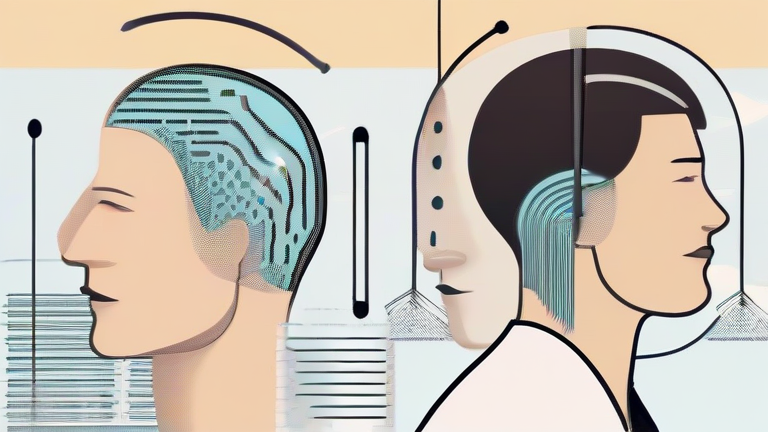
Neural Interfaces Enable Voice-to-Thought Communication
The boundary between human cognition and digital technology has never been thinner. Recent breakthroughs in brain-computer interfaces (BCIs) have moved beyond simple motor control, entering the realm of complex linguistic reconstruction. Scientists are now successfully decoding neural signals associated with speech attempts, translating them into text or synthesized voice without the user speaking a single audible word. This technology, often referred to as voice-to-thought communication, represents a monumental leap in assistive tech, offering hope to millions suffering from locked-in syndrome, amyotrophic lateral sclerosis (ALS), or severe stroke-induced aphasia.

The science behind this capability relies on high-density electrode arrays implanted in the motor cortex, specifically in areas responsible for planning speech. When a patient attempts to speak, these electrodes capture the intricate electrical patterns. Machine learning algorithms then analyze these patterns in real-time, mapping them to phonemes and words. The result is a digital voice that closely mimics the user’s original intonation and rhythm. This is not merely typing on a screen; it is a direct conduit from the mind to the machine, preserving the nuance and emotional weight of human expression.
While the technology is still in its experimental infancy, its potential to restore autonomy and dignity is profound. For individuals who have lost the ability to speak, the isolation can be devastating. Reconnecting with loved ones and the broader world through their own “inner voice” is a transformative experience. However, as we embrace this new frontier, we must also consider the cognitive load and mental health implications. Constantly monitoring one’s own neural output can be exhausting. It is crucial for users to establish clear boundaries between their private thoughts and the digital interface.
To maximize the benefits of neural interfaces, a holistic approach to health is essential. First, prioritize cognitive rest. The brain requires downtime to consolidate neural pathways. Engage in mindfulness meditation or quiet reflection to reduce mental fatigue. Second, maintain physical health. Neuroplasticity—the brain’s ability to rewire itself—is supported by regular aerobic exercise, which increases blood flow to the brain and promotes the growth of new neurons. A diet rich in omega-3 fatty acids,
Leave a Reply