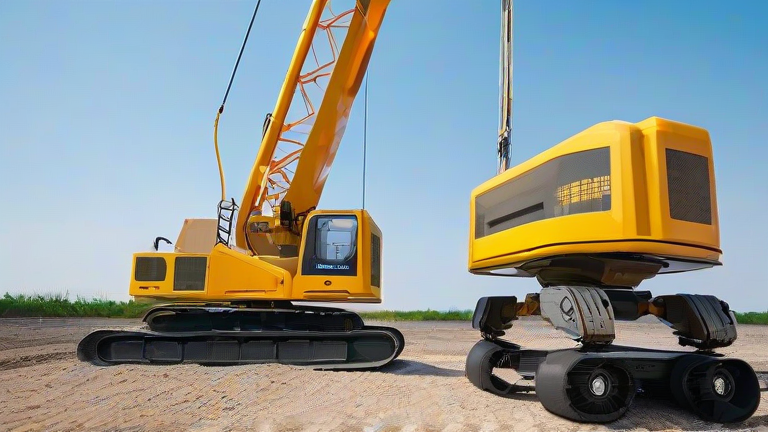
TL;DR: A leading Japanese construction firm has successfully initiated trials of autonomous AI robots to manage hazardous tasks on active sites. This strategic move aims to mitigate labor shortages and enhance safety protocols through advanced automation.
Next-Gen Automation in Heavy Industry
The construction sector in Japan is facing a critical demographic crisis, with a rapidly aging workforce and declining youth interest in manual labor. To address this existential threat, major contractors are turning to artificial intelligence and robotics. Recent trials have showcased a suite of intelligent machines designed to operate alongside human workers, not just replace them. These robots utilize computer vision and machine learning algorithms to navigate complex, unstructured environments typical of construction zones. Unlike previous generations that required controlled settings, these new units can adapt to dynamic changes on the fly, identifying obstacles and adjusting their paths in real-time.
If you want to dig deeper, check out our guide on Top 10 Tech Trends Shaping 2024: What You Need to Know.

The specifications of these trial units are impressive. Equipped with high-resolution LiDAR sensors and depth cameras, the robots can map their surroundings with centimeter-level precision. The primary models include autonomous brick-laying arms and heavy-lifting exoskeletons that enhance human strength. One notable unit features a dual-arm system capable of handling standard building materials while maintaining balance on uneven terrain. The onboard AI processes visual data to ensure precise placement, reducing material waste by an estimated fifteen percent. Furthermore, the integration of 5G connectivity allows for remote monitoring and control, enabling engineers to oversee operations from a safe distance.
Industry Impact and Future Outlook
The impact on the industry is profound. By automating repetitive and dangerous tasks, companies can significantly reduce workplace accidents. This shift is expected to lower insurance premiums and improve overall project timelines. Moreover, the data collected by these robots provides valuable insights into workflow efficiency, allowing for better planning and resource allocation. While the initial investment is high, the long-term benefits in terms of productivity and safety are clear. As technology matures, we anticipate wider adoption across Asia and eventually globally. The synergy between human expertise and robotic precision marks a new era in construction, promising safer, faster, and more sustainable building practices for the future.
FAQ
Q: What specific tasks are the AI robots performing during trials?
A: They are handling hazardous duties like brick-laying and material handling using autonomous navigation systems.
Q: How do these robots improve safety on construction sites?
A: They take over dangerous jobs, reducing human exposure to hazards and lowering accident rates significantly.
Q: Is the technology currently available for small contractors?
A: Not yet, as high costs limit adoption to major firms, though prices are expected to decrease over time.
Leave a Reply