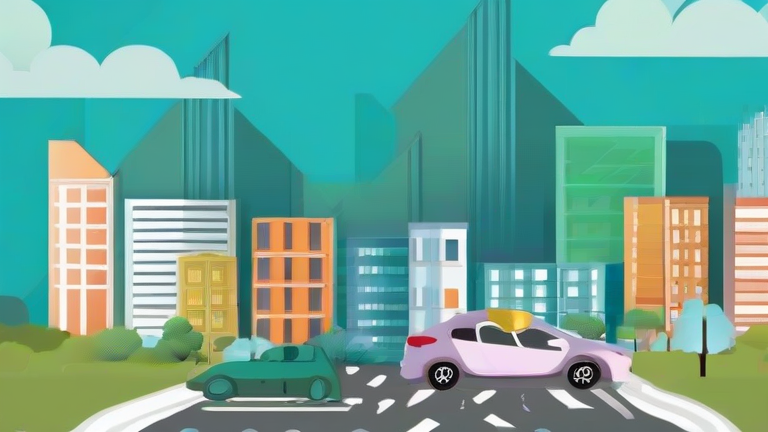
TL;DR: Living car-free in car-centric cities requires mastering public transit, embracing micro-mobility, and strategically planning your daily routes. Success hinges on cultivating a flexible mindset and discovering the hidden cultural gems that only slow travel can reveal.
Reclaiming Your Urban Space
For decades, the automobile has dictated the rhythm of modern life, forcing residents to navigate sprawling suburbs and congested highways. However, a growing movement is challenging this status quo by proving that life without a personal vehicle is not only feasible but profoundly enriching. This shift is not merely about saving money on gas or insurance; it is a holistic lifestyle choice that prioritizes health, community connection, and environmental stewardship.
The journey begins with logistical mastery. Public transportation systems in major metropolitan areas are often underutilized resources waiting to be explored. By downloading comprehensive transit apps and studying route maps, you transform from a passive passenger into an active navigator. Learning to time your commute around train schedules or bus frequencies turns waiting periods into opportunities for reading, meditation, or simply observing the city’s pulse. This structured approach reduces the anxiety associated with being late, replacing it with a sense of predictable flow.
Micro-mobility serves as the crucial bridge between transit hubs and final destinations. Bicycles, e-scooters, and even walking offer unparalleled freedom within short distances. Investing in a reliable bike and secure storage solutions at home or work eliminates the “last mile” problem that often discourages car-free living. Furthermore, these modes of transport encourage physical activity, turning mundane commutes into daily workouts. The physical exertion releases endorphins, setting a positive tone for the day ahead and contributing to long-term personal growth.
Beyond logistics, the cultural benefits are significant. Driving isolates occupants in metal boxes, shielding them from street life. Walking or cycling immerses you in the urban tapestry. You notice independent bookstores, local bakeries, and neighborhood art installations that fly by at fifty miles per hour. This heightened awareness fosters a deeper appreciation for local culture and cuisine. You begin to support small businesses, engaging with shop owners and neighbors, thereby strengthening community bonds.
Ultimately, living car-free is an act of intentional design. It requires patience and adaptation, but the rewards are substantial. You gain back hours previously lost in traffic, reduce your carbon footprint, and discover a more vibrant, connected version of city life. The road less traveled is not just an alternative; it is a superior way to experience the urban environment.
FAQ
Q: What is the best way to handle emergencies or long-distance travel?
A: Utilize car-sharing services like Zipcar or Turo for occasional needs, and rely on intercity trains or buses for longer trips to maintain flexibility without owning a vehicle.
If you want to dig deeper, check out our guide on 10 Proven Business Growth Strategies to Scale Your Company F.
Q: How do I stay safe while cycling in heavy traffic?
A: Invest in high-visibility gear, use designated bike lanes whenever possible, and take a local cycling safety course to learn defensive riding techniques and traffic laws.
Q: Is it more expensive to live without a car?
A: Generally, no. When you factor in savings on fuel, insurance, maintenance, parking fees, and depreciation, living car-free is typically significantly cheaper than car ownership.
Leave a Reply