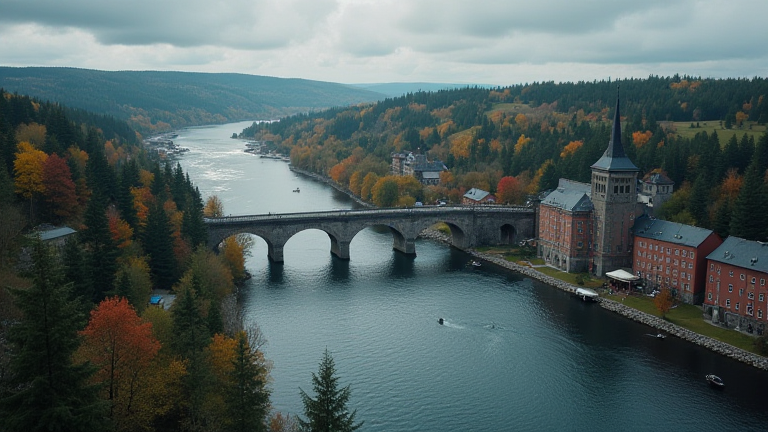
TL;DR: The Baltic states offer a unique blend of medieval history, vibrant contemporary culture, and stunning natural landscapes that cater to both history buffs and nature lovers. This guide highlights essential stops like Tallinn’s Old Town and hidden gems such as the caves of Cēsis to ensure a memorable journey through Estonia, Latvia, and Lithuania.
Having explored the general vibe of the Baltics in Part 1, it is time to dive deeper into the specific locations that define this region’s character. The journey through Estonia, Latvia, and Lithuania is not just about checking boxes on a tourist map; it is about immersing yourself in a culture that balances Soviet-era remnants with a fierce, modern independence. The air here feels different—crisp, charged with history, and surprisingly youthful.
If you want to dig deeper, check out our guide on Is AI the Key to Your Employability After a Career Break?.

Start your itinerary in Tallinn, Estonia. While the UNESCO-listed Old Town is a must-see, do not let it be your only stop. Wander through Telliskivi Creative City, where street art adorns brick walls and hipsters sip craft coffee in converted industrial warehouses. Here, you will see how the younger generation is reshaping the national identity. The food scene is equally dynamic. Try *verivorst* (blood sausage) paired with lingonberry jam, a traditional dish that offers a unique flavor profile. For a deeper cultural experience, visit the KUMU Art Museum in Kadriorg Park. Its stark white architecture contrasts beautifully with the lush greenery, housing an impressive collection of Estonian art that traces the nation’s artistic evolution from the 18th century to the present.
Next, cross the border into Latvia’s capital, Riga. The city is a masterpiece of Art Nouveau architecture, with buildings that look like they were carved from stone lace. However, the true hidden gem lies just outside the city center. Head to Cēsis, a medieval town known for its castle and the stunning Cēsis Cave Park. Walking through these natural limestone caves, illuminated by subtle lighting, offers a quiet, introspective moment away from the bustling tourist trails. Dinner in Riga should include *sklandrausis*, a traditional Latvian turnip pastry. It is a simple dish, but eating it while watching the sunset over the Daugava River connects you to the land itself.
Finally, conclude your trip in Vilnius, Lithuania. The capital is often praised for its Baroque architecture, but its soul lies in its underground history. Explore the Underground Vilnius, a network of tunnels that served as hiding places during various conflicts. This experience adds a layer of personal growth to your travel, reminding you of the resilience required to survive in this region. Before leaving, visit the Gate of Dawn and light a candle. It is a small act, but it symbolizes the enduring spirit of the Baltics. The local cuisine here is hearty and comforting. Do not miss *cepelinai*, large potato dumplings filled with meat or curd. They are substantial, delicious, and perfect for fueling your next adventure.
The Baltics are not just a destination; they are a lesson in resilience, beauty, and the power of community. By mixing iconic sights with lesser-known spots, you create a travel narrative that is uniquely yours.
FAQ
Q: What is the best time of year to visit the Baltics?
A: The best time is from May to September when the weather is mild and daylight hours are long, though June offers the magical White Nights.
Q: Is it easy to travel between Estonia, Latvia, and Lithuania?
A: Yes, the countries are close together with excellent bus and train connections, making intercity travel straightforward and affordable.
Q: Are the Baltic languages difficult to learn for tourists?
A: While Estonian, Latv
Leave a Reply