How Remote Work is Reshaping Urban Real Estate
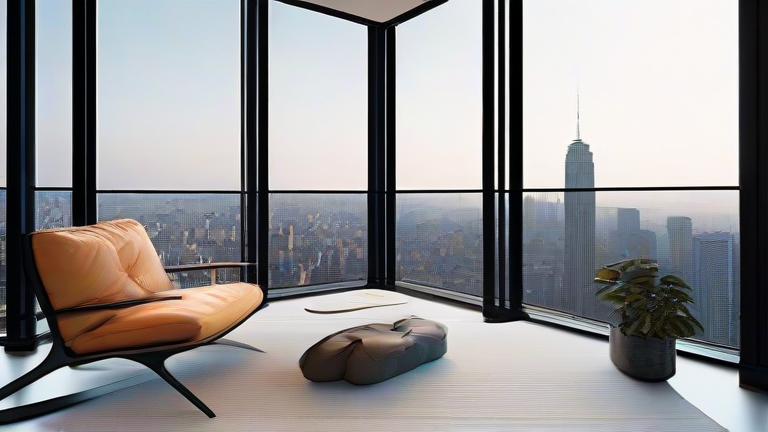
The skyline of the modern metropolis is undergoing a quiet but profound transformation. For decades, the definition of success was inextricably linked to proximity to the city center. We commuted, we crowded into high-rises, and we paid a premium for the privilege of being near the office. However, the widespread adoption of remote work has shattered this paradigm, triggering a seismic shift in urban real estate that is as much about lifestyle and personal growth as it is about economics. This is not merely a change in where we sit; it is a reimagining of how we live, eat, and connect with our communities.
Consider the culinary landscape. In the past, lunch was a rushed affair, often consumed at a desk or a sterile cafeteria. Today, the boundaries between home and office have blurred, inviting a new era of mindful eating. Remote workers are reclaiming their mornings. Instead of grabbing coffee on the run, they are investing in better equipment and higher-quality ingredients. The kitchen has become the new boardroom, a space for creativity and nourishment. This shift has revitalized local grocery stores and artisanal bakeries in suburban neighborhoods, which were previously bypassed by the daily rush of commuters. The “third place” is no longer just a coffee shop; it is the home itself, designed for both productivity and pleasure.
If you want to dig deeper, check out our guide on 10 Proven Health Tips to Boost Energy and Wellness Today.
Culturally, this migration is decentralizing the urban experience. Cities are losing their monopoly on cultural vibrancy. As professionals move to smaller towns or the outskirts of metropolitan areas, they bring with them a demand for local theaters, independent bookstores, and community gardens. This influx fosters a deeper sense of belonging. In the dense city center, anonymity was the norm. In these emerging remote-friendly hubs, neighbors know each other. The pace of life slows down, allowing for personal growth that was previously sacrificed at the altar of the grind. People are finding time for hobbies, exercise, and introspection, leading to a holistic approach to well-being that defines the modern lifestyle.
Furthermore
Leave a Reply