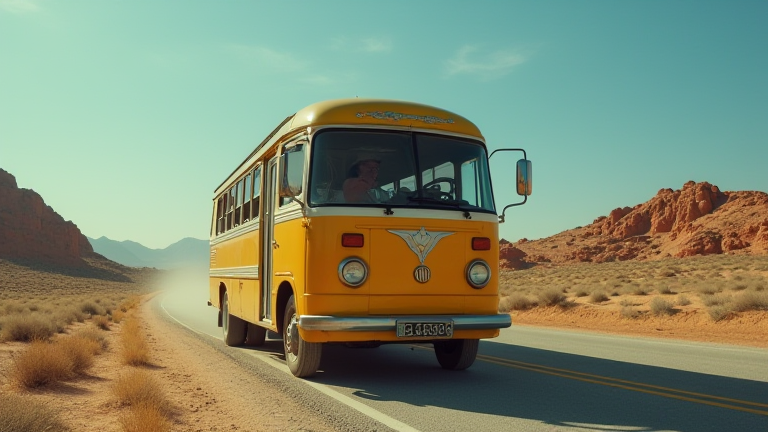
TL;DR: Traveling from Faro to Ravenna with your dog requires careful planning, combining a scenic road trip with strategic train segments to ensure comfort for both you and your pet. Prioritizing hydration, regular breaks, and familiar comfort items will significantly reduce stress and enhance the overall wellness experience of your journey.
Planning a Multi-Modal Journey

Embarking on a trip from Faro, Portugal, to Ravenna, Italy, is not merely a geographical transition; it is a test of endurance and preparation, especially when accompanied by a four-legged companion. The route spans over 2,000 kilometers, crossing multiple borders and varying climates. While the allure of driving offers flexibility, the sheer distance necessitates a balanced approach. Many travelers opt for a hybrid model: driving the initial segments to allow their dog to exercise and explore, then switching to trains for longer, uninterrupted stretches where movement is limited. This method aligns with veterinary advice suggesting that dogs thrive on routine and moderate physical activity rather than prolonged confinement.
The Science of Travel Stress in Canines
Research in animal behavior indicates that dogs experience significant cortisol spikes during unfamiliar travel conditions. To mitigate this, incorporate “desensitization training” weeks before your departure. Gradually acclimate your dog to the car carrier or harness by making short, positive trips. Pack familiar scents, such as a worn t-shirt or a favorite blanket, to create a “secure base” within the vehicle. These olfactory cues trigger calming responses in the brain, lowering anxiety levels. Furthermore, maintaining a consistent feeding schedule is crucial. Sudden changes in diet or timing can lead to gastrointestinal distress, which is exacerbated by motion sickness. Stick to light, easily digestible meals two hours before travel to prevent nausea.
Hydration and Physical Wellness on the Road
Hydration is paramount, particularly when crossing warm regions like Spain and Southern France. Dehydration can quickly lead to lethargy and heatstroke, impairing your dog’s ability to regulate body temperature. Carry a collapsible silicone bowl and ensure access to clean water every two to three hours. During stops, encourage gentle stretching and walking to promote circulation and prevent stiffness. For the train portion of your journey, verify specific pet policies in advance. Most European railways allow small dogs in carriers, but larger breeds may require muzzles or special tickets. Prepare a “wellness kit” containing waste bags, paw balm for rough terrain, and any prescribed medications.
Mental Stimulation and Bonding
Travel is an opportunity for mental enrichment. Engage your dog with interactive toys and sniffing games during breaks. Sniffing reduces heart rate and promotes relaxation, acting as a natural stress reliever. This mindful engagement strengthens the bond between you and your pet, transforming a potentially stressful event into a shared adventure. By prioritizing their physical needs and emotional well-being, you ensure a smoother journey. Remember, your dog mirrors your energy; staying calm and organized contributes significantly to their sense of security.
FAQ
Q: What is the best way to transport a dog on long train journeys in Europe?
A: Most European trains require dogs under a certain weight to travel in approved carriers, while larger dogs may need a muzzle and a ticket; always check specific carrier policies before booking.
If you want to dig deeper, check out our guide on 7 Dead From Flesh-Eating Bacteria on Gulf Coast: How to Stay.
Q: How often should I stop to let my dog out during a road trip?
A> Veterinary experts recommend stopping every two to three hours for water, a brief walk, and bathroom breaks to prevent discomfort and maintain hydration.
Q: Can I bring my dog’s regular food on the trip?
A: Yes, bringing your dog’s regular food is highly recommended to avoid digestive upset, but ensure you pack enough for the entire journey plus a few extra days in case of
Leave a Reply