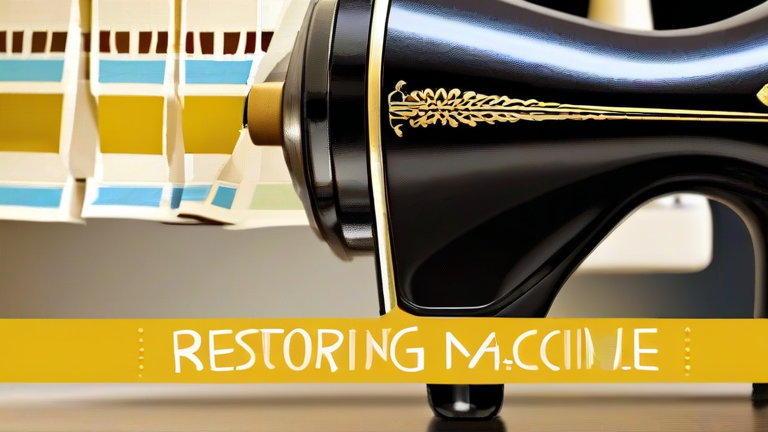
TL;DR: Restoring a vintage sewing machine is a profitable venture driven by the booming secondhand market and the sustainability movement. Experts predict that certified refurbished machines will capture significant market share as consumers prioritize durability and eco-friendly practices over fast fashion.
The Renaissance of Mechanical Precision

In an era dominated by digital automation and disposable goods, there is a surprising resurgence in the appreciation for mechanical precision. The vintage sewing machine market is not just a niche hobbyist corner; it is a thriving sector of the broader circular economy. Recent data indicates that the global secondhand market has grown by over 11% annually, with home goods and sewing equipment seeing a particularly sharp increase in demand. This trend is fueled by a collective desire to reduce waste and reconnect with tangible craftsmanship.
Market Dynamics and Consumer Behavior
The driving force behind this trend is a shift in consumer values. Modern buyers are increasingly skeptical of planned obsolescence. They seek out machines known for their longevity, such as heavy-duty metal-bodied models from the mid-20th century. These machines are often referred to as “heirslooms” because they can last generations with proper care. Market analysis shows that while new synthetic plastic machines depreciate rapidly, well-maintained vintage units hold their value or even appreciate. This financial stability makes restoration not just an act of preservation, but a sound economic decision.
Expert Insights on Restoration
Industry experts emphasize that successful restoration requires more than just cleaning. It involves a deep understanding of mechanical engineering and historical context. “Restoring a vintage sewing machine is about breathing new life into a piece of history,” says Elena Rossi, a leading textile conservator. “It’s not just about making it stitch; it’s about ensuring the tension, the timing, and the aesthetics are preserved for future users.” This expertise is scarce, creating a premium service market for professional restorers. Furthermore, the community aspect cannot be overlooked. Online forums and workshops have created a supportive ecosystem where knowledge is shared, lowering the barrier to entry for new restorers.
Future Predictions and Sustainability
Looking ahead, the integration of technology with vintage mechanics is expected to grow. We may see smart attachments or digital tension gauges designed specifically for classic models, bridging the gap between old and new. Additionally, as regulations on textile waste tighten, businesses that offer restoration services may find themselves at a competitive advantage. The prediction is clear: the future of sewing is not just about making new clothes, but about extending the life of existing tools. This aligns perfectly with the broader sustainability goals of reducing carbon footprints and minimizing landfill waste. By choosing restoration, consumers are voting for a more sustainable and mindful approach to their craft.
FAQ
Q: Is restoring a vintage sewing machine expensive?
A: Costs vary widely depending on the condition and rarity of the machine, but basic cleaning and oiling can be done for under $50, while full mechanical overhauls may range from $100 to $300.
If you want to dig deeper, check out our guide on Ultimate Step-by-Step Tutorial: Master SEO in 5 Easy Steps.
Q: Where can I find parts for discontinued vintage models?
A: Specialized online marketplaces, vintage sewing forums, and local repair shops often source or fabricate parts, and some manufacturers still produce replacement components for classic models.
Q: Do vintage machines work as well as modern ones?
A: Many vintage machines are built with heavier gauge metals and simpler mechanics, making them durable and reliable for heavy fabrics, though they may lack the automated features of modern computerized models.
Leave a Reply