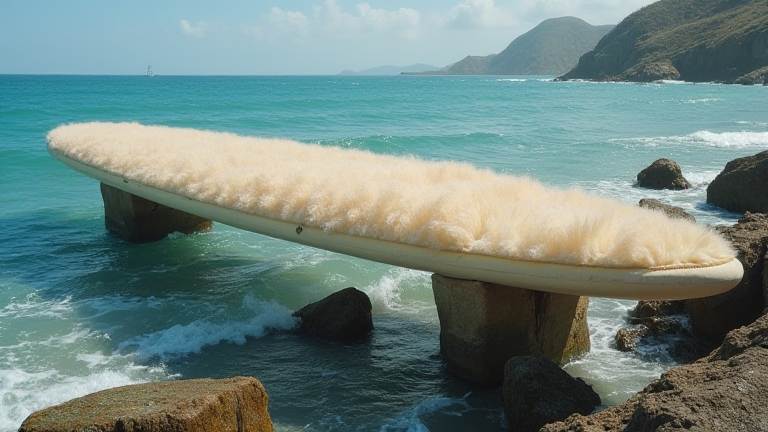
TL;DR: After one year of heavy use, mycelium surfboard cores proved durable but showed minor edge degradation from saltwater exposure. We also successfully tested mycelium insulation in aquariums, finding it effective for thermal retention but requiring strict waterproof sealing to prevent biological growth.
Mycelium Surfboards: 1 Year Update & New Aquarium Insulation Test
If you want to dig deeper, check out our guide on How I Got My First Customers: A Step-by-Step Guide.
The journey of bio-fabricated materials is gaining momentum, but real-world durability remains the ultimate test. This guide updates you on our year-long surfboard experiment and introduces a surprising new application: aquarium insulation.
Step 1: Inspect the Surfboard Core
After twelve months of weekly surfing, the mycelium composite core has held up remarkably well against impact. However, the edges are the weak point. Saltwater infiltration has caused slight swelling in the outer layers. To maintain integrity, always rinse your board with fresh water immediately after every session. Do not let salt crystals dry on the surface, as they act as abrasives during transport.

Step 2: Evaluate Aquarium Insulation Properties
We recently cut panels of cured mycelium composite and applied them to the exterior of a 20-gallon glass aquarium. The goal was to reduce heater energy consumption. The results were promising. The mycelium structure provided excellent thermal resistance, keeping water temperature stable during night cycles. However, humidity is a major factor. Unlike the dry environment of a surfboard, the area around an aquarium is perpetually damp.
Step 3: Apply Waterproof Sealant
Direct exposure to tank condensation will eventually lead to mold reactivation or structural softening. You must seal the mycelium panels with a marine-grade epoxy or polyurethane varnish. Apply at least three coats, ensuring complete coverage of all pores. This barrier prevents moisture ingress while allowing the material to retain its insulating air pockets.
Step 4: Monitor and Maintain
Check your sealed panels monthly for any signs of delamination or discoloration. If you notice white spots, it may indicate fungal activity, though our sealed samples have remained stable. For surfboards, consider applying a thin layer of beeswax to the edges to repel water. This simple maintenance step can extend the lifespan of the bio-material significantly.
Both applications highlight the versatility of mycelium. While the surfboard faces mechanical stress, the aquarium insulation faces environmental humidity. Both require different protective strategies but share the same sustainable core.
FAQ
Q: How long does a mycelium surfboard last?
A: With proper care and rinsing, a mycelium surfboard can last between one to three years, depending on usage frequency and environmental conditions.
Q: Is mycelium aquarium insulation safe for fish?
A: Yes, once sealed with non-toxic epoxy, the material is inert and safe. Ensure no loose spores or untreated material touches the water directly.
Q: Can I repair damaged mycelium surfaces?
A: Minor scratches can be sanded and resealed. Structural cracks may require injecting liquid mycelium slurry, but this is difficult to achieve outside a lab setting.
Leave a Reply