
TL;DR: The top tech trends in 2026 are dominated by the rapid integration of generative AI into enterprise workflows and the mainstream adoption of spatial computing devices. These innovations are fundamentally reshaping industry standards by prioritizing automation, immersive experiences, and sustainable hardware design.
The Rise of Generative AI and Edge Computing
Generative AI has moved beyond experimental chatbots to become the backbone of modern enterprise software. In 2026, we are witnessing a significant shift toward on-device processing, known as Edge AI. This development reduces latency and enhances user privacy by processing data locally on smartphones and laptops rather than sending it to distant cloud servers. Major chip manufacturers are releasing new silicon specifically optimized for neural processing units, enabling complex language models to run efficiently on portable devices. This shift allows for real-time translation, advanced photo editing, and personalized virtual assistants that work seamlessly offline, marking a pivotal moment in consumer technology.
If you want to dig deeper, check out our guide on First Solo Trip to Scotland: A Beginner’s Guide for Europe.
Spatial Computing and Mixed Reality
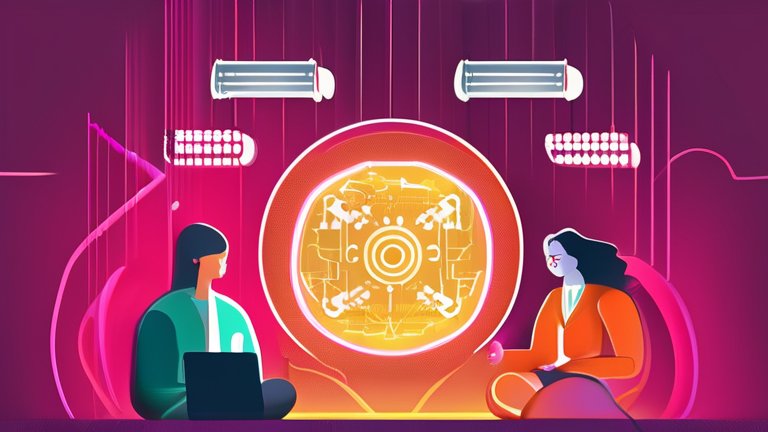
Following the release of high-profile mixed reality headsets, spatial computing is no longer a futuristic concept but a present-day reality. These devices blend physical and digital worlds, allowing users to interact with 3D content in their actual environment. The latest models feature high-resolution OLED displays with wide field-of-view capabilities, providing crisp visuals that reduce the “screen door” effect prevalent in earlier generations. Industry leaders are investing heavily in spatial apps for remote collaboration, architectural visualization, and immersive gaming. This trend is expected to drive a new wave of content creation, requiring developers to rethink UI/UX design for three-dimensional spaces.
Sustainable Tech and Green Energy
Environmental concerns are driving innovation in hardware longevity and energy efficiency. Companies are increasingly adopting modular designs, making it easier for consumers to repair and upgrade devices rather than replacing entire units. Furthermore, the push for carbon-neutral data centers is accelerating the adoption of liquid cooling systems and renewable energy sources. Battery technology is also seeing breakthroughs, with solid-state batteries promising faster charging times and increased safety. These developments are not just marketing points but essential responses to global regulatory pressures and consumer demand for ethical technology.
5G Advanced and IoT Expansion
The rollout of 5G Advanced networks is enabling faster data speeds and lower latency, which is critical for the Internet of Things (IoT). Smart cities, autonomous vehicles, and industrial automation rely on this connectivity to function effectively. The integration of AI with IoT devices creates “intelligent” networks that can predict maintenance needs and optimize energy usage dynamically. This synergy between connectivity and intelligence is transforming industries from healthcare to manufacturing, making operations more efficient and responsive.
FAQ
Q: What is the primary benefit of Edge AI?
A: Edge AI reduces latency and enhances privacy by processing data locally on devices instead of relying on cloud servers.
Q: How is spatial computing changing development?
A: It requires developers to create immersive 3D experiences and rethink user interfaces for non-traditional, spatial interactions.
Q: Why is modular design important in 2026?
A: Modular design extends device lifespan, reduces electronic waste, and allows users to upgrade specific components easily.
Leave a Reply