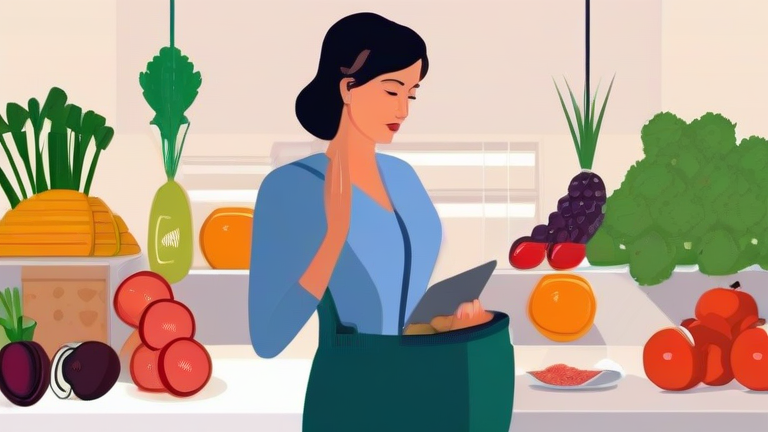
TL;DR: Produce anxiety, often rooted in food waste concerns or perfectionism, does not ruin nutrition if managed correctly by focusing on portion control and flexible eating habits. Shifting focus from aesthetic perfection to nutritional intake allows individuals to maintain a healthy relationship with food without the burden of guilt or excessive spending.
The Hidden Stress of Fresh Food
In recent years, health-conscious consumers have faced a paradoxical challenge. While eating more fruits and vegetables is universally recommended for reducing chronic disease risk, the pressure to consume them perfectly can lead to significant psychological distress. This phenomenon, known as produce anxiety, stems from the fear of waste, the high cost of fresh items, or the social pressure to maintain a pristine, Instagram-worthy diet. When the joy of eating is replaced by the stress of spoilage, the nutritional benefits are undermined by elevated cortisol levels, which can negatively impact digestion and immune function.
Science-Backed Strategies to Reduce Stress
Research suggests that mindfulness and flexible dietary patterns are more effective for long-term health than rigid restrictions. One effective strategy is practicing mindful purchasing. Instead of buying in bulk to save money, which often leads to waste, buy only what you plan to eat within the next three to four days. This approach reduces the mental load of monitoring expiration dates and minimizes the guilt associated with throwing away spoiled items.
Another scientifically supported tip is embracing “imperfect” produce. Studies show that bruised or slightly wilted fruits and vegetables retain nearly identical nutritional value to their pristine counterparts. By normalizing the consumption of these items, you reduce the pressure to select only perfect specimens. Additionally, incorporating frozen vegetables into your diet can alleviate anxiety about freshness. Frozen produce is typically harvested at peak ripeness and flash-frozen, locking in nutrients. They are cost-effective, require no prep, and eliminate the risk of spoilage, making them a stress-free addition to any meal.
Lifestyle Adjustments for Better Nutrition
To further combat produce anxiety, consider meal prepping with a flexible mindset. Plan meals based on what needs to be used first rather than strictly adhering to a recipe that requires specific fresh ingredients. This adaptability encourages creativity in the kitchen and ensures that nutrient-dense foods are consumed before they lose their quality. Furthermore, reframing your nutritional goals from “eating perfectly” to “eating consistently” can shift your focus from short-term perfection to long-term health sustainability. By reducing the emotional weight attached to every bite, you create a more sustainable and enjoyable approach to healthy eating.
FAQ
Q: Does produce anxiety actually affect physical health?
A: Yes, the stress associated with food waste and dietary perfectionism can elevate cortisol levels, which may negatively impact digestion, sleep quality, and overall immune function.
If you want to dig deeper, check out our guide on 10 Lifestyle Hacks to Boost Your Daily Wellness & Happiness.
Q: Are frozen vegetables less nutritious than fresh ones?
A: No, frozen vegetables are often more nutritious because they are flash-frozen at peak ripeness, preserving vitamins and minerals better than fresh produce that may sit in transit for days.
Q: How can I stop feeling guilty about throwing away spoiled food?
A: Start by buying smaller quantities more frequently and focusing on using what you have before purchasing new items, which naturally reduces waste and associated guilt.
Leave a Reply