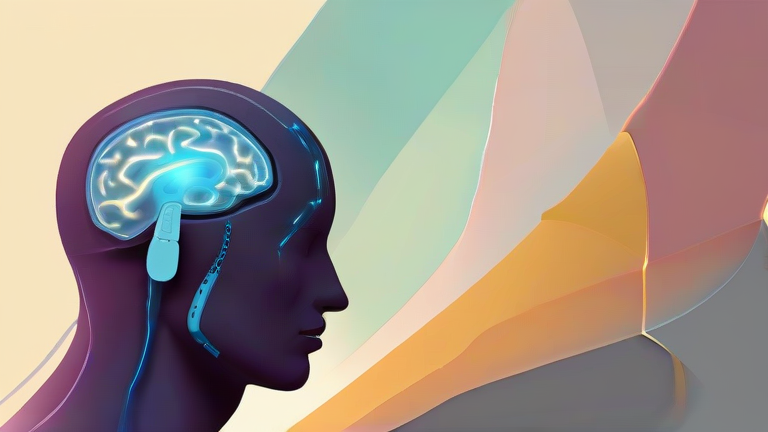
Neurofeedback Headsets Go Mainstream for Better Focus
The era of neurofeedback, once confined to clinical settings and expensive research laboratories, has officially arrived in the consumer market. Driven by rapid advancements in dry-electrode sensor technology and sophisticated artificial intelligence algorithms, modern headsets are no longer bulky, cumbersome devices reserved for EEG specialists. Instead, they have evolved into sleek, wearable accessories that promise to enhance cognitive performance, reduce stress, and improve focus for the average office worker, student, and creative professional. This shift marks a significant turning point in the personal technology landscape, where brain-computer interfaces (BCIs) are transitioning from niche scientific tools to everyday wellness gadgets.

The latest generation of devices, such as the Muse S, Emmet, and NextMind, leverages lightweight materials and intuitive user interfaces to make brain training accessible to everyone. Unlike their predecessors, which required conductive gel and precise placement by technicians, these new headsets utilize dry-sensor technology that can detect electrical signals from the scalp with remarkable accuracy within seconds of being worn. The underlying technology relies on electroencephalography (EEG) to monitor brainwave activity in real-time. As users engage in meditation, gaming, or work tasks, the headset translates neural patterns into audible or visual feedback, allowing them to learn how to regulate their mental state. For instance, a calming sound might play when the user enters a state of deep focus, while a distraction occurs when the mind wanders, creating a gamified learning experience for the brain.
If you want to dig deeper, check out our guide on Space Tourism Offers Suborbital Flights.
From a technical specification standpoint, these devices are becoming increasingly powerful. Modern units offer sampling rates exceeding 250 Hertz, ensuring minimal latency between brain activity and feedback. Connectivity is handled via Bluetooth Low Energy (BLE), syncing seamlessly with companion apps on smartphones and tablets. These apps utilize machine learning models to personalize feedback based on individual brain patterns, adapting to the user’s progress over time. Battery life has also improved significantly, with many devices offering up to 20 hours of continuous use, making them practical for daily commutes and long work sessions. Furthermore, the integration of inertial measurement units (IMUs) allows some headsets to
Leave a Reply