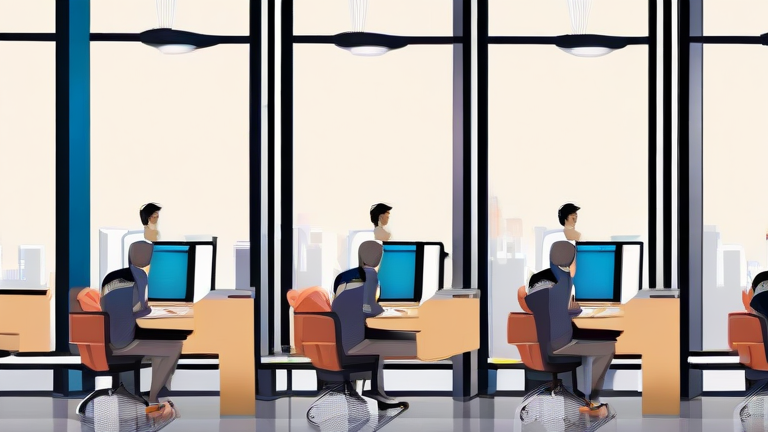
Remote Work Hubs Rise in Secondary Global Cities
The traditional corporate landscape is undergoing a seismic shift. As major metropolitan centers grapple with exorbitant living costs and congestion, a new trend is emerging: the rise of remote work hubs in secondary global cities. Places like Lisbon, Medellín, Bali, and Austin are no longer just vacation spots; they have become vital economic engines for the digital nomad community. This migration is not merely about escaping the city; it is about finding a sustainable balance between professional productivity and personal well-being.

However, the allure of beautiful scenery and lower costs can mask significant health challenges. The isolation inherent in remote work, even in bustling hubs, can lead to increased feelings of loneliness and decreased social cohesion. According to recent psychological studies, prolonged isolation correlates with higher levels of cortisol, the body’s primary stress hormone. To combat this, experts recommend intentionally building “third places”—social environments separate from home and the primary workspace. In secondary hubs, these are often local cafes, community centers, or specialized co-working spaces that foster organic interaction. Engaging with the local community helps mitigate the psychological toll of being a transient resident.
If you want to dig deeper, check out our guide on 10 Proven Strategies to Scale Your Business in 2024.
Physical health also suffers when the commute is replaced by hours spent sitting. The sedentary nature of desk jobs contributes to cardiovascular issues and musculoskeletal pain. Science-backed advice suggests the “20-20-20 rule” to reduce eye strain: every twenty minutes, look at something twenty feet away for twenty seconds. Furthermore, integrating micro-breaks into your routine is crucial. Instead of long, infrequent gym sessions, aim for short, frequent movement breaks. A ten-minute walk around the vibrant streets of a secondary city can boost circulation, enhance cognitive function, and provide a mental reset that a coffee break cannot match.
Dietary habits often decline when cooking is replaced by frequent dining out or reliance on delivery apps. Secondary cities may offer diverse culinary options, but they can also be traps for unhealthy eating. Prioritize whole foods, and when possible, cook meals using local ingredients. This not only supports your immune system but also connects you deeper with the local culture and economy. Sleep hygiene remains
Leave a Reply