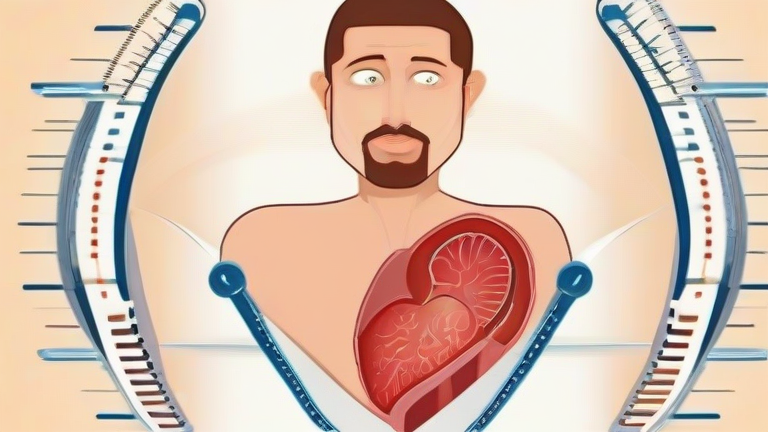
TL;DR: Recent clinical studies confirm that abdominal fat distribution is a superior predictor of cardiovascular disease risk compared to Body Mass Index (BMI). This shift in diagnostic metrics challenges traditional health assessments and prioritizes waist circumference over total body weight for early intervention strategies.
The Limitations of BMI
For decades, the medical community has relied on Body Mass Index as the primary screening tool for obesity and associated health risks. However, BMI is a blunt instrument that fails to distinguish between muscle mass and adipose tissue, nor does it account for where fat is stored on the body. This oversight has led to significant misclassification of individuals, particularly those with normal weight but high visceral fat, often referred to as “normal-weight obesity.” These individuals remain at substantial risk for metabolic syndrome, type 2 diabetes, and coronary heart disease, despite appearing healthy by standard BMI metrics. The recent surge in research highlights the urgent need for more precise diagnostic criteria that reflect actual physiological risk rather than just mass.
Abdominal Fat: The Silent Killer
Visceral fat, the dangerous fat stored deep within the abdomen around organs like the liver and intestines, is metabolically active. It releases inflammatory cytokines and free fatty acids directly into the portal circulation, affecting liver function and increasing insulin resistance. Unlike subcutaneous fat, which sits just under the skin, visceral fat acts as an endocrine organ, disrupting hormonal balance and promoting atherosclerosis. Recent developments in imaging technology, such as advanced MRI and CT scans, have allowed researchers to quantify visceral fat with unprecedented accuracy. These tools reveal that even in individuals with a healthy BMI, high levels of abdominal fat can independently predict heart attacks and strokes. This finding has profound implications for preventive cardiology, suggesting that waist circumference measurements should be integrated into routine health check-ups as a critical vital sign.
Industry Impact and Technological Integration
The healthcare technology industry is rapidly responding to this paradigm shift. Smart wearable devices are now incorporating AI-driven algorithms to estimate body composition and visceral fat levels using bioelectrical impedance analysis and photoplethysmography. These devices provide users with real-time feedback on lifestyle changes, encouraging behaviors that specifically target abdominal fat reduction. Furthermore, electronic health records are being updated to prioritize waist-to-hip ratio alongside BMI, enabling more personalized risk stratification for patients. Pharmaceutical companies are also revisiting clinical trial endpoints, focusing more on metabolic health markers related to visceral adiposity rather than simple weight loss. This holistic approach promises to reduce the global burden of cardiovascular disease by identifying at-risk populations earlier and more accurately.
Future Directions
As artificial intelligence becomes more sophisticated, predictive models are being trained to combine genetic data, lifestyle factors, and precise body composition metrics. These models aim to create dynamic health profiles that evolve with the individual, offering tailored recommendations for diet and exercise. The integration of telehealth platforms with these advanced analytics will democratize access to personalized cardiac risk assessments, particularly in underserved communities. Ultimately, moving beyond BMI represents a significant step forward in precision medicine, ensuring that heart disease prevention is proactive, accurate, and effective.
FAQ
Q: Why is abdominal fat more dangerous than fat stored elsewhere?
A: Abdominal visceral fat is metabolically active and releases inflammatory substances that directly impact heart health and insulin sensitivity.
If you want to dig deeper, check out our guide on How to Use Canva Pro: A Beginner’s Guide to Designing Graphi.
Q: Can BMI still be used as a valid health indicator?
A: BMI remains useful for population-level studies but is insufficient for individual risk assessment because it ignores fat distribution and muscle mass.
Q: How can I accurately measure my abdominal fat risk?
A: Waist circumference measurement and waist-to-hip ratio are practical clinical tools, while advanced imaging provides the most precise data.
Leave a Reply